
NAD peptides have started getting more attention lately in the world of health and wellness. These small chains of amino acids mimic or influence the action of NAD+ (nicotinamide adenine dinucleotide), a key molecule foun what NAD peptides might be able to do, it’s really important to know what the research actually says and where the evidence still isn’t clear. I’m here to make sense of the top health benefits of NAD peptides and areas scientists are exploring when it comes to the peptide, focusing on what might be possible and where the limitations are.
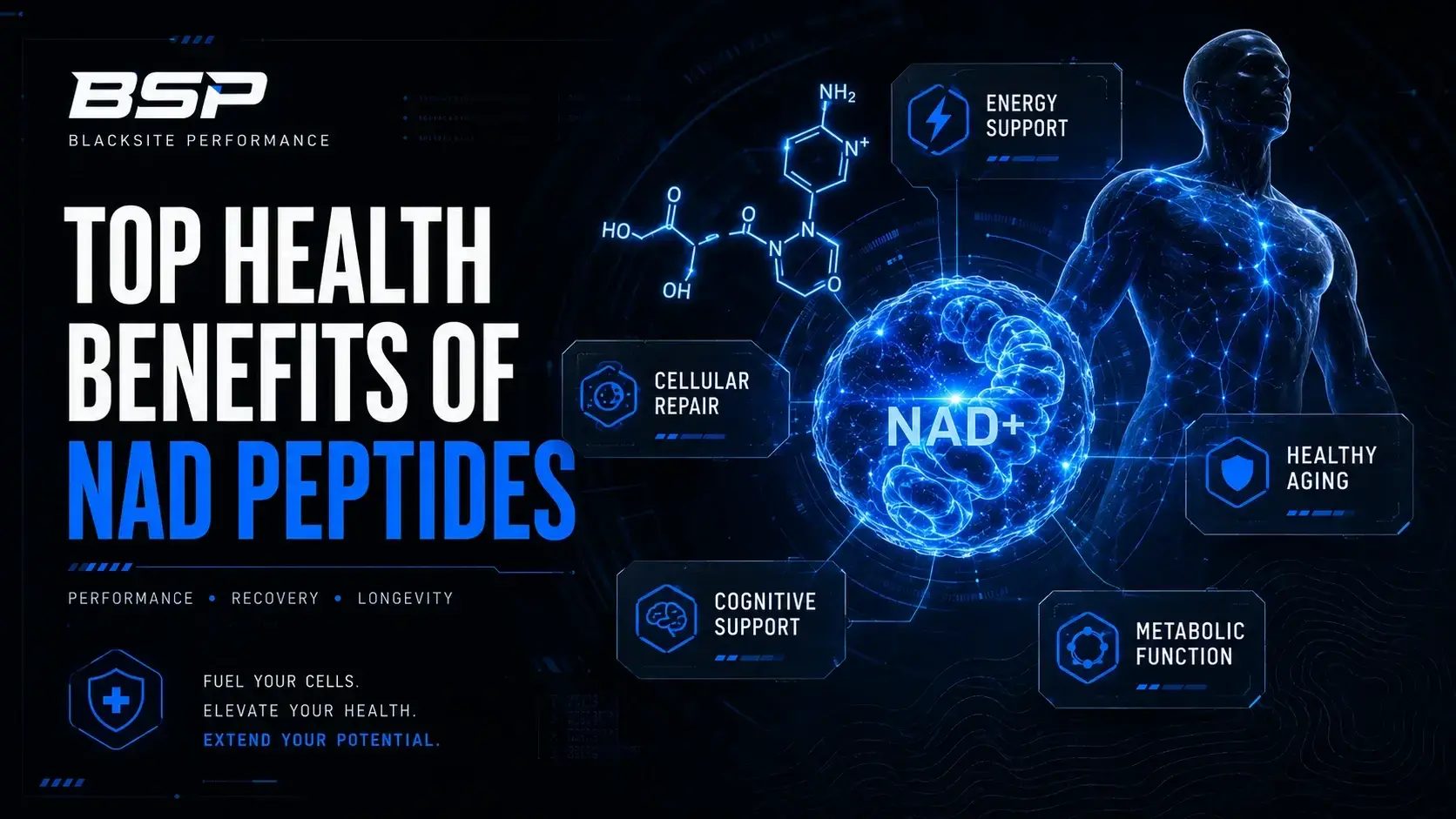
Table of Contents
Health Benefits of NAD
Why NAD Peptide “Benefits” Are Areas of Research, Not Guarantees
Whenever something new shows up in supplements or therapies, it pays to stay grounded in the difference between exciting research and real, proven health benefits. NAD peptides fall into this category. Most of the current findings come from lab studies and animal models, not from big, wide-ranging studies in people. So, it’s best to see these as promising areas for research, rather than definite benefits you can rely on just yet.
Even though many online sources hype up NAD peptide injections or supplements as the next big thing, researchers are still figuring out how these peptides affect human health over the long haul. That means trying NAD peptides is more like experimenting for now, and anyone interested should talk with a healthcare provider before getting into it.
The Basics: How NAD+ and NAD Peptides Work in Cells
NAD+ plays a major role in cellular metabolism, which is basically how our cells produce and use energy. It’s a key player in hundreds of reactions, from making ATP (Adenosine Triphosphate, the energy currency inside our bodies) to helping fix DNA after damage. The idea behind NAD peptides is that they can boost or copy what NAD+ does, especially since NAD+ levels naturally go down with age, illness, or ongoing stress.
NAD peptides are short amino acid chains that influence NAD+ activity or small molecules that cells can process into NAD+. This means they might give a boost to the body’s cellular batteries. However, the science behind their real impact on people is still just beginning to unfold.
Cellular Energy Metabolism and ATP Pathways
A lot of the buzz about NAD peptides centers on energy. NAD+ is essential for creating ATP through processes like glycolysis, the Krebs cycle, and oxidative phosphorylation. These are big scientific terms, but the takeaway is that ATP is what powers just about everything, from muscle movements to thinking.
Animal studies and some work in the lab suggest that increasing NAD+—sometimes by using NAD peptides—may help cells make more ATP, leading to more energy. People who are low in NAD+ may feel extra tired, take longer to recover after tough workouts, or even notice their minds feel slower. Researchers want to see if NAD peptides can help with this, but right now there simply isn’t enough evidence to say for sure whether NAD peptides are better than other NAD+ precursors for energy or athletic performance. It’s an open question for scientists.
Oxidative Stress and Redox Balance
The body naturally makes reactive oxygen species (often called “free radicals”) as a byproduct of normal cell work. Too many of these can harm cells—this is known as oxidative stress. NAD+ has a job in balancing this out by supporting antioxidants and managing redox reactions (how electrons are transferred inside cells).
Some early research points to NAD peptides possibly helping shield cells from oxidative damage in aging and neurodegeneration models. For example, they might step up enzymes that clear away oxidative stress or help recycle antioxidant molecules. But without strong evidence from human trials, NAD peptide benefits for redox balance are supported mainly by early, preclinical findings.
NAD-Dependent Cellular Processes: Sirtuins, PARPs, and More
Sirtuins and PARPs are two kinds of proteins that need NAD+ to carry out their roles. Sirtuins help control how cells stay alive, fight inflammation, and manage which genes get turned on or off. PARPs are crucial for fixing DNA, especially after toxins or UV rays cause breaks.
Raising NAD+ with NAD peptides might encourage healthy activity from both sirtuins and PARPs. That’s why so many people are looking at NAD for healthy aging or better stress response. However, most of this evidence is based on findings in cell culture or animals, not from robust, large-scale clinical research. So we can’t promise that NAD peptides will reliably boost sirtuin or PARP activity across the board in people.
Mitochondrial Function: Why Mitochondria Matter
Mitochondria act like tiny powerhouses inside our cells. When they work well, our energy production is solid, and cells can bounce back from stress better. As we get older or deal with diseases, mitochondria can falter, leading to less energy, slower healing, and more chronic health concerns.
Animal studies have shown that bumping up NAD+ can make mitochondria work better, and some NAD peptides may spark similar changes. For example, lab work indicates that NAD+ might help tired or aging cells regain healthier metabolic habits, potentially easing the effects of aging. Of course, most NAD research is still in animal and cell studies, not yet in well-tested human trials using NAD peptides. That means the jury is still out on their real-world use here.
Metabolic Health: What We Know and What’s Still Unclear
Some research has connected higher NAD+ and strong metabolic pathways to better blood sugar control—especially in animals that are fed high-fat diets. NAD peptides are now part of the conversation since they’re believed to crank up NAD+ levels in cells. A few studies have shown small improvements in insulin sensitivity or less fat storage in animal models, but translating those results to human health isn’t straightforward.
This research offers hope, but limitations abound. What helps a mouse lose weight or handle blood sugar won’t always have the same effect in humans. Human studies, especially long-term ones, are few right now, and there’s a strong need for more before we can say NAD peptides are a new tool for weight management or fixing metabolic problems.
Brain Health and Cognitive Aging: Promise and Pitfalls
Our brain cells, called neurons, need healthy NAD+ metabolism to work well and keep going strong as we get older. That’s one reason researchers are paying attention to NAD peptides, thinking they could help with brain health or slow down age-related cognitive decline. In several animal studies focused on Alzheimer’s, boosting NAD+ sometimes led to slower memory loss or made neurons more resilient.
But the brain ages in complicated ways, with genetics, inflammation, and other factors all playing into the outcome. Maybe one day NAD peptides will become part of an overall approach to brain aging, but the existing evidence from human studies is still too thin to say anything for sure.
Exercise Recovery and Fatigue: What’s the Research Say?
Athletes and people who like to hack their biology are very interested in NAD peptides for helping muscles recover, boosting energy, and fighting off tiredness. There’s curiosity about whether higher NAD+ could help muscles repair faster or make work-outs more effective. Some studies in animals and cells show NAD+ boosts might tone down inflammation or oxidative stress after hard workouts.
The truth, though, is that we lack strong human data to support these effects for people who hit the gym or play sports regularly. Plus, since fatigue can have all kinds of causes—from lack of sleep to low iron—putting all your hope in NAD peptides is unlikely to solve every energy dip.
What Evidence Is Really Established or Still Experimental?
With so much buzz around NAD, it’s smart to know the difference between what’s been proven and what’s only being explored. Here’s a rundown to clear things up:
- Established facts: NAD+ is at the heart of cell energy production and DNA repair. People with low NAD+ usually see faster aging and more health issues.
- Emerging possibilities: Cranking up NAD+ is linked to stronger cell health in animals and lab settings. That sometimes includes the effects of NAD peptides—in areas like metabolic health, mitochondrial function, and better resilience to stress.
- Unproven effects: Big, high-quality studies in people on NAD peptides are still rare. The reported benefits for athletic recovery, brain aging, and handling metabolic conditions are mostly things scientists are still checking out.
Buying or trying NAD peptides should be done carefully, and anyone who has health issues or takes other medication needs to talk with a doctor first. For those looking for more in-depth science, stumble upon research articles from NCBI or Cell Metabolism to check out what’s happening in the world of NAD+ and cell health.
Common Questions About NAD Peptides
These are some of the questions I get most often about NAD peptides and what they might do for health:
Question: Can NAD peptides actually reverse aging?
Answer: There’s some interesting work on slowing down cellular aging in animals, but no proof they turn back the clock in people. Most current studies are early-stage and much more is needed.
Question: Are NAD peptides safe for everyone?
Answer: Most of the safety info comes from animal data. Some people might notice side effects, especially those with health drawbacks or mixing with other drugs. Check with your doctor first if you want to give NAD peptides a try.
Question: How do NAD peptides compare to regular NAD+ supplements?
Answer: Right now, NAD+ boosting supplements like NR (nicotinamide riboside) and NMN (nicotinamide mononucleotide) are better studied in real people. We still don’t really know if NAD peptides do the same thing.
Wrapping Up: Should You Try NAD Peptides?
NAD peptides make an eye-catching topic with lots of lab research, especially in energy metabolism, cell health, and potentially slowing aging. But most of those results haven’t yet been proven by big human studies. If your curiosity is piqued about NAD peptides, balance hope with patience, and check in with a savvy healthcare provider to see if they’re worth checking out for your own situation. Keep an eye on the latest research—this field is changing fast, and future studies may soon offer clearer answers about NAD peptides and your health.
Download the Blacksite Bloodwork Red Flag Checklist to help spot potential issues with new research compounds and supplements.
Disclaimer: This article is for educational purposes only. Not medical advice.
Please check out our blood checklist!
Or for New Parents follow along our partners for all things New-Parents related!
No responses yet