
Peptides are everywhere these days and one of the most common things both men and women want to know is, How Peptides Work. If you poke around fitness, skin care, or biohacking spaces, you’ve probably heard someone rave about them. There’s a mix of wild claims, confusing jargon, and genuinely interesting science.
I spend a lot of time sorting fact from hype, so I’ve put together this super practical guide for anyone who’s wondering what peptides actually do, how they work, and why all the buzz. If you want to make sense of it all without stumbling into risky or sketchy territory, you’re in the right place.
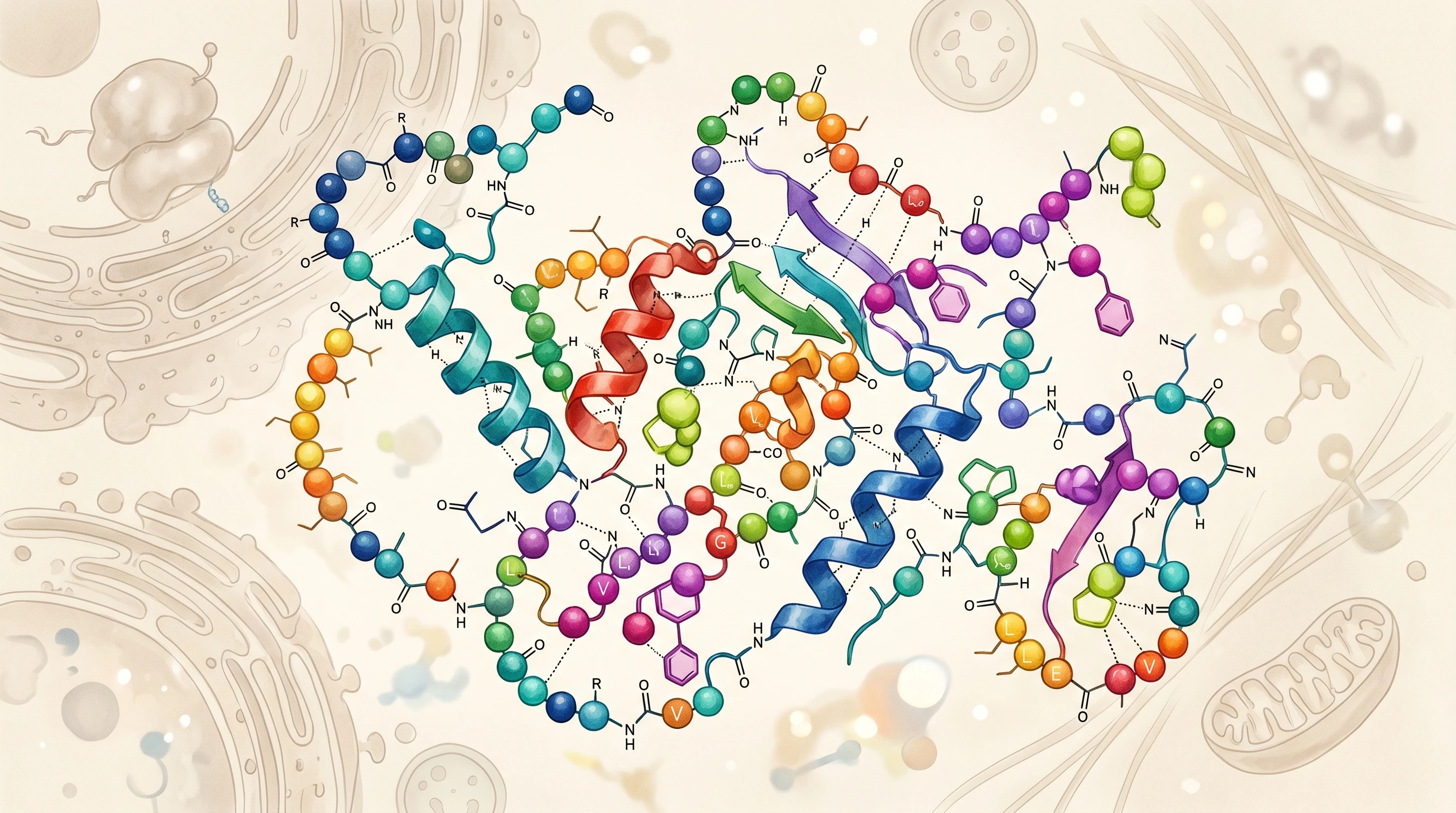
Table of Contents
How Peptides Work
What Peptides Are and Why They Matter
Peptides are short chains of amino acids (those tiny building blocks of protein) strung together by special bonds. Technically, if you link up between two and 50 amino acids, you’ve got a peptide. Anything longer is usually filed under “protein,” like collagen or insulin. Peptides pop up everywhere in the natural world. They help with everything from signaling your body to heal a cut to telling your brain you’re hungry. Because peptides act as signals, they can set bigger processes in motion.
What makes peptides different from proteins mostly comes down to their length, but also the way your body uses them. Peptides are smaller, so they’re more likely to zip through cell membranes and do their things right where they’re needed, which is pretty handy for certain medicines. Not all peptides are created equal, though. Some have carefully studied, regulated uses. Others, especially those sold online as “research only,” move in legally fuzzy territory and are less understood. The possibilities for future research into new medical applications are huge, since scientists discover new peptide functions regularly.
Peptides As Biological Signals: How They Work
Peptides aren’t magic. What they do is act like biological text messages. They send instructions from one part of the body to another. Think of them as messengers that can “turn on” or “turn off” all sorts of processes, from muscle growth to skin repair to hormone release. Here’s a quick breakdown:
- Signaling molecules: Most peptides bind to receptors on your cells, triggering a response. The effect depends on the type of peptide and which receptor it finds.
- Precision: Because these signals are specific, some peptides only work on certain pathways. That’s a big reason why they can be super useful, or why tinkering with them can lead to weird side effects if you don’t know what you’re doing.
- Dosing challenges: The body breaks down peptides pretty quickly, which makes the “how” and “when” of using them kind of tricky. Delivery methods (like under the skin injections versus creams) really matter.
In simple terms, scientists are still mapping out exactly how different peptides interact in the body. Since our knowledge is expanding, new roles for these compounds are still being found, so it’s important to stay sharp as new discoveries come out.
Prescription Peptides vs Research Peptides
You’ll see peptides sold in fancy anti-aging clinics and obscure internet forums, but they’re not all the same. Here’s where things get interesting:
- Prescription peptides: These are medical treatments approved for specific uses, like hormone deficiencies or certain types of wound healing. They’re reviewed for safety and effectiveness by organizations like the FDA before a doctor can prescribe them.
- Research peptides: These usually have a label reading “for research use only—not for human consumption.” That’s a legal loophole that companies use to sell peptides even when there isn’t good evidence (or safety approval) for human use. Most influencers and online shops leave out this warning or ignore it entirely.
If you come across a peptide that promises fat loss, muscle gain, or anti-aging but it doesn’t come from a pharmacy and comes with a “research only” tag, odds are it’s not legal for self-experimentation or human use. That’s something I really want beginners to know up front. This isn’t just a technicality—it’s about your safety.
Why Peptides Are Popular in Fitness and Anti-Aging
Peptides are having a moment, especially with athletes, bodybuilders, folks chasing better recovery, and people hunting for the fountain of youth. Here’s why they show up so much in these scenes:
- Muscle growth and recovery: Some peptides (like growth hormone releasing peptides, or GHRPs) send your body the signal to produce more growth hormone, and this might help with muscle repair and recovery.
- Fat loss: Others are said to “signal” faster fat breakdown or help control appetite.
- Skin health: Collagen peptides are in everything from moisturizing creams to protein shakes. These support skin elasticity and could help with healing.
- Sleep and mood: Certain peptides may affect sleep patterns or mood by tweaking neurotransmitter pathways.
The marketing for peptides leans hard on scientific-sounding claims and before-and-after photos. What’s missing is that most research is early stage, done in animals, or tested at doses that don’t match online products. Some results are real if you have medical supervision, but a lot of so-called “biohacking” is pure guesswork. That’s why understanding the science—beyond the hype—is super important for anyone considering them.
In short, while there’s potential, the difference between medical use and gray-market experimentation is huge. Knowing what’s actually supported by evidence can save you time, money, and your health.
Peptide Categories You Might Hear About
Peptides get grouped in different ways, mostly by what they signal for. Here are a few of the most talked about types, with some practical examples—no dosing or sourcing info here, just context:
- Growth hormone secretagogues: These include GHRPs and GHRHs. They tell your body to release more growth hormone, which explains their popularity in gym circles for muscle and recovery.
- Melanotan: Triggers the body’s tanning response, used (controversially) for getting a tan without sun exposure.
- BPC157, TB500: These are “healing peptides” being studied for possible roles in tissue repair or reducing inflammation.
- Collagen peptides: Found in supplements and skin products. These support skin health by giving your body what it needs for new collagen.
- Cosmeceutical peptides: Tiny fragments used in creams aimed at reducing wrinkles or boosting firmness.
Worth noting: many popular peptides in the gray market are not approved as supplements or drugs by health agencies. Safety and effectiveness are often educated guesses, mainly based on theory or animal data.
Misunderstandings, Hype, and the Real Story
Peptides are sometimes sold like biohacking miracles, but real science doesn’t back up every claim. Common confusions include:
- Thinking peptides = steroids: They’re different. Steroids are hormones; peptides are signals.
- Assuming “natural” means safe: Just because peptides occur naturally in your body doesn’t mean adding more is harmless.
- Underestimating side effects: Messing with signals, especially without knowing precise doses or purity, can lead to problems like excessive tissue growth, hormone balance issues, or allergic reactions.
- Believing influencer hype: Social media sells big results but often skips the science, risks, or legal details.
The bottom line: If you don’t know what a peptide signal does, it’s hard to predict (or control) the actual effect. There’s a lot of gray-market certainty out there, but caution matters much more than bravado.
Peptide Safety: Quality, Testing, and Medical Oversight
Getting peptides from unregulated sources is risky for a few reasons. None of these are meant to scare anyone; they’re just facts nobody with flashy ads will mention:
- Quality control: Stuff from sketchy vendors might be contaminated, mislabeled, or fake. Lab testing is rare in the gray market.
- Dosing errors: Without pharmaceutical controls, actual doses can be way off what the label claims.
- Unknown long-term effects: Most research peptides haven’t been tested in people over the long haul, so side effects are often unknown.
- Bloodwork and medical supervision: Real monitoring (hormone levels, liver and kidney tests, etc.) is the only way to catch serious problems early. If you’re thinking about anything beyond basic skin creams or supplements, working with a doctor is really important.
Peptides also cross paths with the law. Some are legal with a prescription, others are not. Selling or buying “research only” products for human use can be illegal and bring serious penalties. Careful research helps buyers avoid trouble, and chasing an effect without knowing the underlying signal invites real risk.
Practical Takeaways
Peptides can absolutely be powerful, sometimes too powerful to mess around with casually. Here are some key things to keep in mind:
- If you see a peptide promising fast results for muscle or fat loss, check if it’s medically approved and what actual scientists have to say about it.
- Remember that “research use only” means exactly what it says: those peptides aren’t meant for people to use, no matter how common they are on the internet.
- Always ask about lab verification, purity, and how peptides are stored and handled.
- Never skip bloodwork or a real doctor if you’re getting anything besides registered supplements.
- The magic lies in knowing how the signal works, not just chasing the biggest effect.
I’ve put together a simple peptide safety and bloodwork checklist that I give to anyone considering these compounds – definitely worth checking out if you want to stick to the safe side of science. If you’re after results, staying sharp on the basics will always serve you better than chasing shortcuts.
Peptides and Performance: Real Uses in the Real World
In everyday life, peptides turn up in a bunch of ways – some totally above board, others a bit questionable. Here are a few legit, medically recognized uses:
- Hormone deficiencies: Certain peptide drugs treat conditions like growth hormone deficits or pituitary disorders.
- Cancer treatment: Some anticancer drugs are peptide based because they can target specific cells more precisely.
- Wound healing: Prescription products may use peptides to help major wounds or burns heal better.
- Cosmetic products: These are mostly mild and work on the skin’s surface, providing benefits for texture or firmness – not bodywide changes.
On the research side, there’s still much to learn, and not all uses are proven or ready for the mainstream. Sticking to what’s supported by strong science is the best way to dodge problems.
Frequently Asked Questions
Here are some questions folks new to peptides often ask. These quick answers should clear up a lot of confusion.
What are peptides?
Peptides are short chains of amino acids that act as biological signals inside your body. They’re involved in everything from healing to hormone release.
How do peptides work in the body?
Peptides work by binding to receptors on cells and sending messages that turn on or off specific bodily processes.
Are peptides legal?
Some peptides are legal with a prescription, like growth hormone medications. Many sold as “research only” are not approved for human use and are technically illegal to buy or use that way.
Are peptides safe?
It depends! Approved peptides prescribed by doctors and monitored with lab testing have known safety profiles. Unregulated or research-only versions come with real risks.
What’s the difference between research peptides and prescription peptides?
Prescription peptides have been studied in humans, approved for medical use, and are regulated for safety. Research peptides are not intended for human use and have not been approved for safety or effectiveness.
Should beginners use peptides?
I suggest learning everything you can first and only using those prescribed and supervised by medical professionals. Going after results without understanding how signals work is a recipe for trouble.
Please check out our blood checklist!
Or for New Parents follow along our partners for all things New-Parents related!

No responses yet