
What is BPC 157 exactly and why is it getting a lot of attention in online discussion boards, injury recovery stories, and even some up-and-coming research studies. It isn’t exactly a household name, but if you’ve spent any time checking out the world of peptides or hunting for ways to give your recovery a boost, you’ve probably come across BPC-157 more than once. In this article, I’ll break down what BPC-157 is, where it comes from, and why people are buzzing about it in the context of healing, tissue repair, gut health, and more.
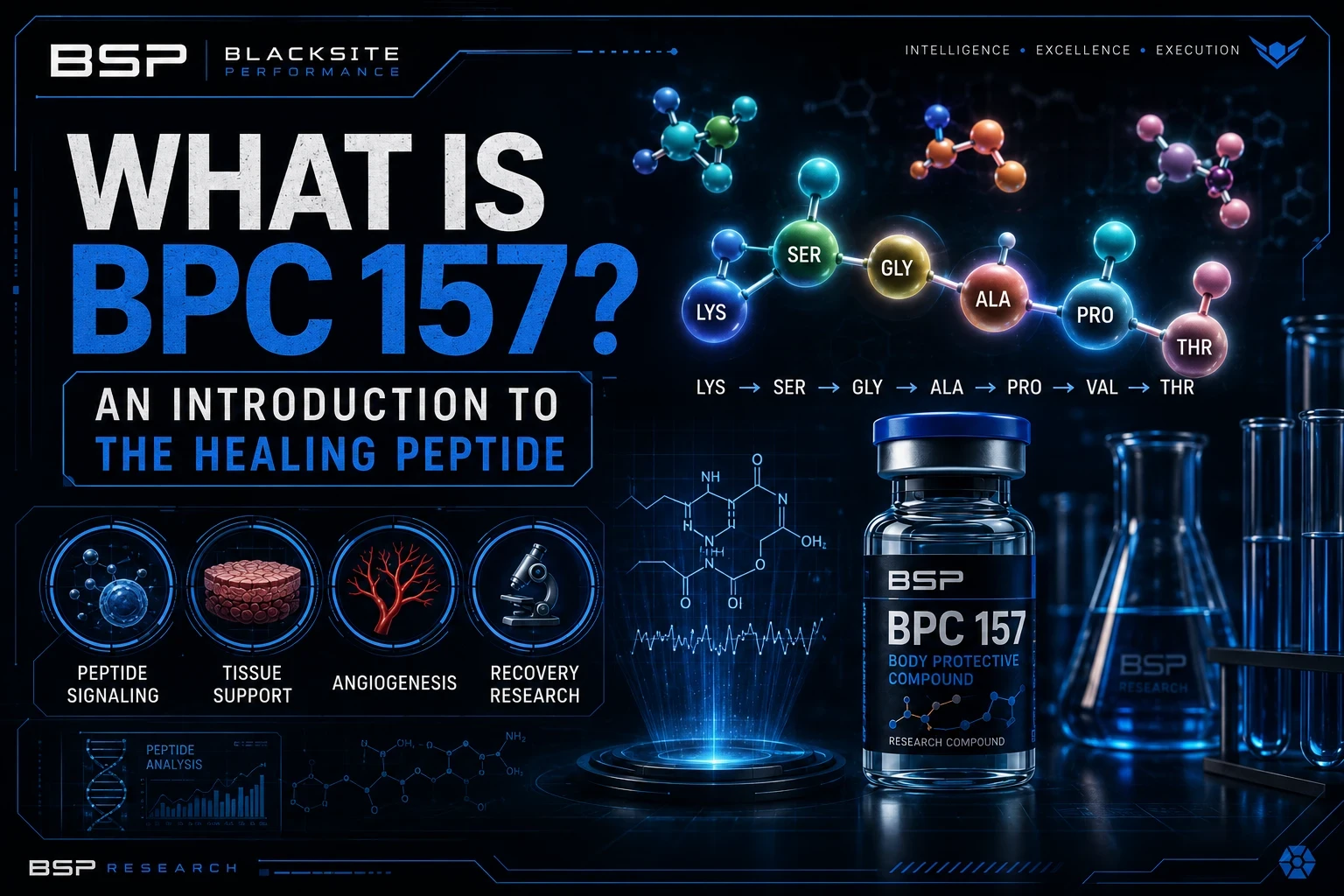
Table of Contents
What Is BPC-157?
Answering the question, what is BPC 157, isn’t simple but follow along and we’ll have you up and running with understanding here in no time. BPC-157 is a synthetic peptide. Peptides are just short chains of amino acids, so they’re kind of like tiny pieces of protein. This specific peptide is trending in healing and recovery circles because of its interesting research around tissue repair, gut health, and helping the body handle injuries. Unlike some other peptides, BPC-157 isn’t naturally produced by your body; instead, it’s created in a lab, using a special sequence that matches a small part of a protein found in human stomach fluid.
Online users sometimes refer to BPC-157 as the “healing peptide.” Its popularity stems mostly from animal-based research, lab experiments, and shared stories about its possible use for speeding up recovery, toning down inflammation, and supporting gut health among other uses. There are still a lot of unknowns, but the chatter keeps growing.
Where Does BPC-157 Come From?
Even though BPC-157 is formulated in a lab, it’s modeled after a sequence from a protein found in human gastric juice—the fluid in your stomach that aids digestion. Scientists took interest in a section of this protein due to its apparent protective and restorative effects. The name “BPC” stands for “Body Protection Compound,” and the “157” refers to the length and structure: a chain of 15 amino acids making up the peptide.
This backstory is why BPC-157 gets associated with research into gut health and tissue repair. The original sequence was selected for its potential to support the stomach lining, and researchers wondered if it could also help other body tissues handle stress or heal more effectively.
Why BPC-157 Is Known As a “Healing Peptide”
The nickname “healing peptide” comes from research focusing on how BPC-157 might help wounds and tissues bounce back faster. Studies, mostly in animal models or cell cultures, have shown that this peptide could support healing processes for tendons, ligaments, muscles, the digestive tract, and even skin tissues.
BPC-157’s reputation is largely shaped by its potential to cut down healing time. Researchers have tested it on everything from tendon strains to stomach ulcers, joint irritation, and even nerve damage. The appeal comes from hints in research showing faster recovery, less scar tissue, and better tissue structure. This is especially important to athletes and rehab professionals who are always looking to get back in top shape after soft tissue injuries.
How BPC-157 May Work In The Body
How does BPC-157 actually step in to help recovery? Scientists are still figuring out all the details, but a few recurring ideas stand out. Here’s a breakdown of the main ways it might work in your body:
- Repair Signaling: Some studies suggest BPC-157 helps your body send messages to jumpstart the repair and recovery process when tissues get hurt.
- Angiogenesis: This term means forming new blood vessels. BPC-157 might support the growth of these vessels, which gets more nutrients and oxygen to injured areas for quicker healing.
- Inflammation Response: Early experiments indicate that BPC-157 may have anti-inflammatory properties, making it attractive for helping with swelling and pain in soft tissues.
- Collagen Support: Collagen is vital for rebuilding ligaments, tendons, and other connective tissue. Some research links BPC-157 to stimulating collagen growth in animals.
- Tissue Remodeling: There are signs BPC-157 can organize the new tissue as it grows, possibly leading to better structure and movement after an injury heals.
All these possible actions contribute to why people view BPC-157 as a tool for better, faster recovery. Still, keep in mind most of this is based on animal or cell research—real, solid evidence in humans takes time and bigger studies.
Gut Health and Digestive Research
One of the main reasons BPC-157 first drew scientific interest was its role in gut research. Since its sequence comes from a gastric protein, it makes sense that initial studies examined stomach lining protection and digestive tract support. In animal models, BPC-157 has led to several promising findings, including:
- Reducing both the size and intensity of ulcers in the stomach and intestines
- Promoting healing of the gut lining after it’s been harmed by chemicals or physical injury
- Helping manage certain kinds of gut inflammation and irritation in lab animals
This gut link is why BPC-157 is frequently included in lists of “gut-protective” compounds on health forums. While we still need more human data, the positive results from animal studies have piqued the curiosity of those dealing with digestive challenges.
Soft Tissue, Tendon, and Injury Recovery Research
BPC-157 isn’t just in the spotlight for gut support—it gets plenty of attention for potential use with muscles, ligaments, tendons, joints, and other soft body parts vulnerable to tears or overuse. Whether it’s athletes, fitness fans, or anyone prone to repetitive motion injuries, people want quicker, more effective ways to recover.
Animal research so far has tested BPC-157 in scenarios like muscle tears, ligament strains, tendon issues, and even joint stress. Key findings include:
- Shorter recovery periods after specific soft tissue injuries
- Less problematic scar tissue developing in some cases
- Improved movement and function in the healing area compared to untreated controls
If you’re someone frustrated by lingering strains or nagging injuries, these findings highlight the potential. Of course, we’re still waiting for more data on how (or if) these effects play out in actual human cases.
BPC-157 vs. TB-500: Comparing Healing Peptides
BPC-157 and TB-500 are two popular names in healing peptide conversations, but they offer different profiles. Here’s a quick comparison:
- BPC-157: Typically linked to gut health and region-specific tissue healing (muscles, ligaments, tendons). Preclinical studies point to its particular impact on focusing repair in specific damaged areas, especially those connected to digestive and connective tissue.
- TB-500: This peptide is known for more systemwide, overall tissue support. It’s believed to help with broad recovery and healing that’s not limited to a single spot.
Both peptides are artificial and neither has definitive, large-scale proof in humans. People thinking about which to use often weigh whether they want targeted vs. general healing support, according to online discussions and early research.
Potential Benefits Being Studied
BPC-157 is usually being looked at for several promising effects:
- Boosting recovery from injuries, particularly tendons, ligaments, and muscle tissue
- Helping cool down inflammation in tissues and joints
- Shielding tissues from wear and degeneration
- Preserving the integrity of the gut lining and easing irritation in animal studies
- Supporting better joint movement and flexibility, with faster healing after injury
If you’re active, frequently sore, or wrestling with stomach issues, you might track down mentions of these benefits. Still, don’t forget—nearly all positive results so far are from early-stage research or personal reports.
What the Research Does Not Prove (Yet)
BPC-157’s promise is exciting, but it’s crucial to keep things real. We don’t yet have robust, high-quality human studies confirming its ability to fix injuries, cure lasting pain, or stand in for professional medical care. Thinking of BPC-157 as a miracle solution is likely to set you up for disappointment.
BPC-157 isn’t a substitute for:
- Getting the right medical diagnosis and scans (such as X-rays or MRIs)
- Professional rehab and physical therapy depending on your injury
- Consistent rest, good sleep, and balanced nutrition
Most of the available research comes from lab tests or animals, not people. While there are lots of glowing stories online, these don’t replace large, peer-reviewed human trials. If you’re thinking about trying BPC-157, it’s always best to talk with a trusted healthcare provider and keep expectations grounded.
Safety and Quality Considerations
Safety is a hot topic because well-structured, long-term human studies are missing. Here are some crucial points about BPC-157’s safety and product quality to stay aware of:
- Without long-term studies, we don’t know much about risks of regular use.
- The quality of peptide products can vary a lot, especially if buying online. Peptides must be mixed and stored properly—contamination or poor handling could be a problem.
- It’s wise to look for suppliers that provide third-party lab results and Certificates of Analysis for their products; these reports help give the thumbs up for purity and safety.
As a rule, do plenty of research before you buy, read reviews, insist on transparent testing, and be cautious with any supplier that seems questionable. It’s about staying sharp and protecting your health first.
BPC-157 as a Research Peptide
BPC-157 isn’t sold as a medicine or supplement in most countries. It’s typically listed for research only—not for use in humans. Trustworthy retailers remind their customers that BPC-157 is meant for laboratory use by professionals, not for self-treating injuries. Using it outside those boundaries brings some serious risks and unknowns, so I stick to tracking down what actual research says, not promoting it as a cure or therapy.
Key Takeaways
BPC-157 is right at the center of the chatter about recovery and healing in the peptide scene. Animal studies and personal stories are interesting, but we need to see better human research before making big claims. Anyone curious should be cautious, look for quality labs, go with third-party tested sources, and stay skeptical when it comes to wild or exaggerated claims. An open but careful attitude is the best way to stay updated as this research area evolves.
Download the Blacksite Bloodwork Red Flag Checklist to help spot potential issues with new research compounds and supplements.
Disclaimer: This article is for educational purposes only. Not medical advice.
Please check out our blood checklist!
Or for New Parents follow along our partners for all things New-Parents related!

2 Responses
I must admit that this is the first time that I have heard of or read about BPC 157. It will be interesting to follow the development of this story and see how the scientists prove what these peptides can do.
It will be wonderful if this will help with rebuilding damaged tissue as well as supporting the forming of new blood vessels. Even stimulating collagen growth can go a long way in slowing down the aging process.
Please keep us all updated on this.
Thanks for your thoughtful comment! BPC 157 has definitely attracted a lot of interest, and it will be exciting to see what future research reveals. While many of the findings so far come from early studies, scientists are continuing to explore its potential and better understand how it works.
The areas you mentioned, including tissue repair, blood vessel growth, and collagen production, are some of the reasons researchers are paying close attention to BPC 157. As more research becomes available, we’ll continue sharing updates and breaking down the findings in a way that’s easy to understand.
Thanks again for stopping by! Is there a particular aspect of BPC 157 that you’re most interested in learning more about?