
NAD peptides and the specific role of NAD Peptides in DNA Repair have picked up tons of interest in the past few years, especially as more people talk about ways to support DNA repair, healthy aging, and even boost energy production at the cellular level.
There’s a lot of buzz about these peptides, but if you’re anything like me, you might be wondering how they actually fit into the whole picture of DNA repair. Here’s what you need to know about what NAD peptides are doing in your body, especially when it comes to handling DNA damage, supporting cellular health, and sorting out what’s hype versus what’s real.
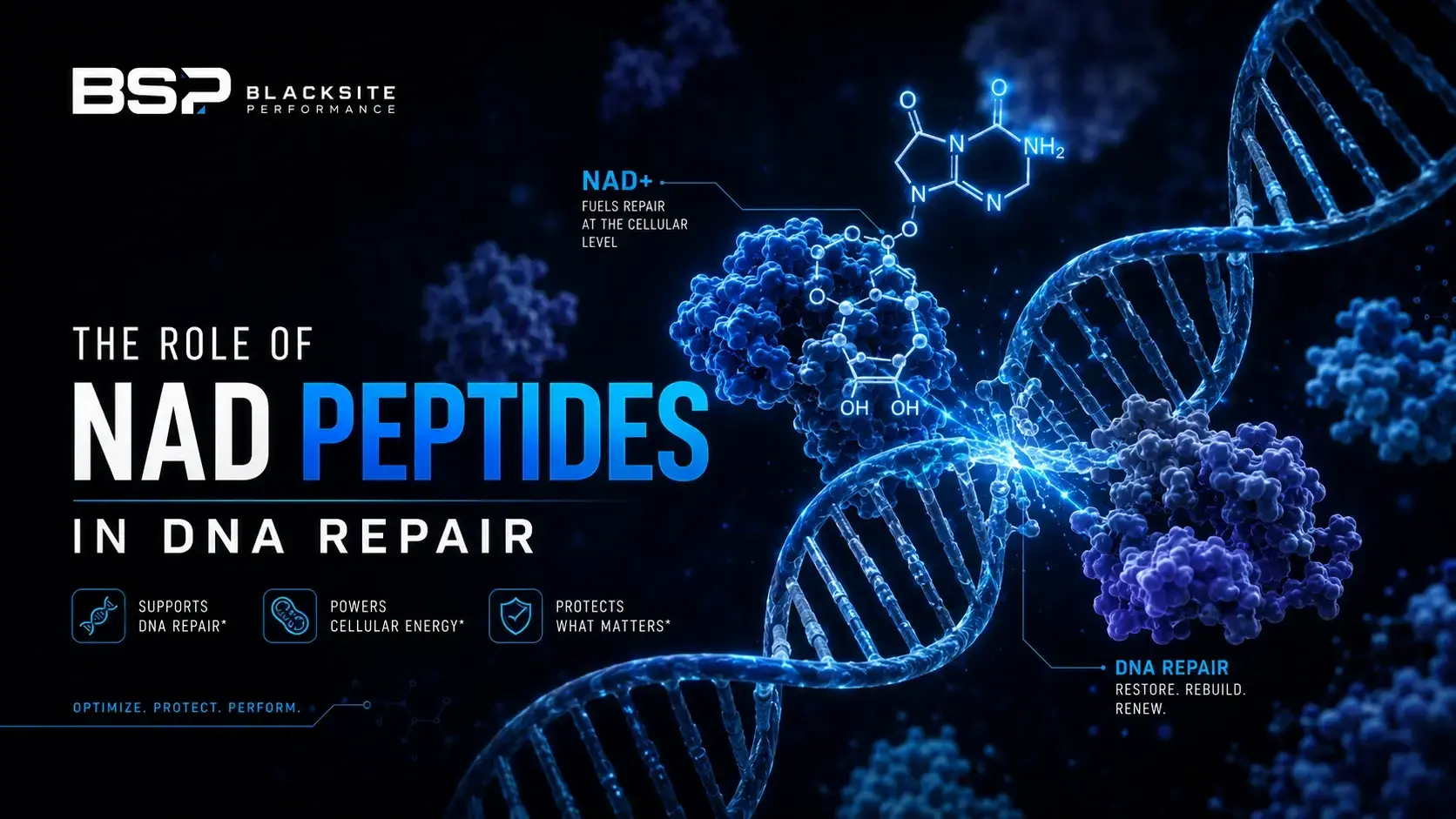
Table of Contents
The Role of NAD Peptides in DNA Repair
How and Why DNA Damage Happens Naturally
DNA damage is just part of daily life. Our DNA is constantly getting nicked, dented, or even broken by everyday stuff like sunlight, pollution, normal cellular metabolism, or just the natural aging process. Even basic things like eating or breathing create byproducts, called free radicals, that can mess with DNA. Luckily, our bodies have repair systems to keep damage from building up over time. But as we get older or pile on too much stress, these systems work less efficiently and DNA damage can stick around longer than we’d like.
Over the years, researchers have pinpointed that environmental factors such as cigarette smoke, harsh chemicals, and electromagnetic radiation add even more stress to our DNA. This means protection and regular care become even more important to combat daily exposure to potential threats. Even minor DNA nicks can accumulate, causing more problems if our internal repair systems have trouble keeping pace.
Meet PARP Enzymes: The DNA Damage First Responders
One of the main teams working behind the scenes is the PARPs, or poly(ADP-ribose) polymerases. These are enzymes that spring into action as soon as they sense that DNA is in trouble, especially if there are breaks or scratches in the DNA strands. PARPs grab onto the damaged spot and help rally other repair helpers to patch things up; they don’t fix the DNA themselves, but they’re like the glue that helps stick the repair crew together and keep the process running smoothly.
As science has evolved, the importance of these enzymes has taken center stage for researchers interested in chronic illnesses linked to persistent DNA damage.
Why PARPs Rely on NAD+ to Do the Job
PARP enzymes are pretty active, but they can’t do their thing without fuel. That’s where NAD+ (nicotinamide adenine dinucleotide) steps in. NAD+ is a vital molecule that acts like a battery for these enzymes; it’s what PARPs “spend” to build the scaffolding around DNA that helps the repair process along. Every time PARPs help with a repair job, they use up some NAD+, breaking it down and essentially burning through your body’s supply.
When big DNA damage happens or if the stress load gets really high, NAD+ levels can dip fast, which slows everything down. As such, maintaining adequate NAD+ is crucial for cells to keep up with every new challenge.
How Inflammation, Oxidative Stress, and NAD+ Are Linked
Things get even more complicated when you throw in chronic inflammation or oxidative stress. Both produce extra free radicals, leading to more DNA damage and more emergencies for the repair crew to tackle. This cycle cranks up NAD+ demand. When there’s not enough NAD+ to go around, it’s like trying to fix a city-wide blackout with just a handful of batteries; the process stalls out, repair gets sluggish, and cells start feeling the strain.
Some researchers think that boosting NAD+ might be a handy way to tip the balance in favor of repair, especially during times of stress or high damage. Others emphasize that chronic inflammation from poor diet, lack of sleep, or conditions like obesity—can speed up NAD+ depletion and put further pressure on your cell health. Keeping inflammation in check, then, does double duty for overall wellness and helps ease DNA repair workload.
NAD Peptides: What They Actually Do (and Don’t Do)
Here’s where NAD peptides enter the chat. NAD peptides aren’t directly patching up your DNA, but they do help bolster the pathways that fight back against damage. Supplementing with NAD precursors or related peptides may give your body the raw materials it needs to keep PARP activity up. Think of it more like restocking the repair crew’s toolkit helpful, but not the same as swapping out the workers or fixing the machinery itself. It’s a support role, not a direct fix.
NAD peptides are just one of several NAD+ boosters available today, joining options like niacin, nicotinamide, and NMN. While all can impact NAD+ supply, peptides are gaining popularity because of their potential to hit target tissues more efficiently, although robust proof is still emerging. It’s also important to know that while NAD peptides assist healthy biochemical function for many cell activities, they never replace the sophisticated DNA repair systems already at work in your body.
The Difference Between Pathway Support and DNA “Repair”
It’s really important not to mix up “supporting DNA repair pathways” and actually “repairing DNA.” NAD peptides and molecules like NAD+ precursors (nicotinamide riboside or NMN, for example) are all about keeping the repair tools sharp and ready. They don’t magically mend DNA on their own. Clinical supplements focused on NAD pathways give cells what they need to run their usual repair playbook, but they don’t go in and stick broken DNA together directly.
If you see claims about NAD peptides “repairing” DNA, know that what’s really happening is more about fueling the background work. The effect is like stepping up the number of replacement parts and batteries available for a busy repair job, but the original, skilled crew is still in charge of the actual work. For best results, NAD boosters should be one potential tool in a larger wellness toolkit, rather than a silver bullet.
What Animal and Lab Studies Say About NAD Peptides for DNA Repair
A chunk of research on this topic comes from animal and cell studies. Some of these show that when you ramp up NAD+ supply, PARP activity runs longer and cells have more energy to work through DNA repairs, especially after heavy-duty stress like radiation or toxins. In aging mice, boosting NAD+ even seemed to help with DNA repair efficiency, reduce inflammation, and slow down cell “aging clocks.” However, these are early signals, and the jump from a petri dish or lab mouse to a living, breathing human is a pretty big one.
It remains to be seen if the improved repair seen in animals will turn up in people; this is one reason ongoing and future research matters. So far, animal data helps scientists ask more targeted questions and chart the best paths for human studies. The hope is that continued research will confirm whether supporting NAD+ is actually worth it for meaningful health gains.
What We Still Don’t Know from Human Studies
Testing NAD peptides or NAD+ boosters in people is still in the early stages. Some small pilot trials hint that bumping up NAD+ can improve markers of cellular health, but showing direct DNA repair improvements in actual humans is way tougher. Nobody’s been able to confirm that supplementing NAD peptides can predictably fix DNA damage or protect against diseases tied to damaged DNA. So, while the theory is interesting and the lab work is encouraging, the benefits in real life are still up in the air for now.
There are also outstanding questions about which populations might gain the most, such as older adults or those experiencing excess cellular stress. Researchers are interested in addressing dosage, long-term safety, and broader effects like cognition, metabolism, and overall well-being. For now, responsibly evaluating new NAD peptides means grounding excitement with a dose of healthy skepticism.
Why DNA Repair Claims Bring High Legal and Scientific Risk
Manufacturers sometimes make big promises about what NAD peptides can do for DNA repair. These types of claims land in a risky zone, not just scientifically, but also legally. In most places (especially the US and EU), saying a supplement “repairs DNA” turns a product into a drug in the eyes of the authorities. That means regulators want to see quality proof from real, controlled human studies, which just don’t exist yet for NAD peptides. The science is promising, but overstating or misrepresenting what these supplements can do is a recipe for lawsuits, fines, or even product bans. Always look for balanced, honest labeling and ask questions about where companies are getting their information if you see bold assertions about DNA repair.
Lifestyle Moves With Stronger Evidence for Protecting DNA Health
If you’re looking to take care of your DNA, NAD peptides might someday be helpful, but plenty of tried-and-tested lifestyle choices work right now. The strongest evidence so far points toward the basics: eating a diet rich in antioxidant-packed fruits and veggies, staying physically active, keeping inflammation in check, getting quality sleep, and managing stress. These habits help limit new DNA damage and keep your own repair systems from getting overwhelmed.
Avoiding smoking and cutting down on excessive alcohol also go a long way. These approaches don’t just give your cells a fighting chance; they’re also recommended by major public health groups everywhere. Beyond that, drinking plenty of water, maintaining a healthy weight, and minimizing exposure to known toxins—like avoiding excess sun without protection—play a significant role in routine DNA care.
- Diet: Foods high in antioxidants (like berries, leafy greens, and nuts) support DNA health by neutralizing free radicals.
- Exercise: Regular movement keeps the cellular machinery humming and boosts natural repair pathways.
- Sleep: Consistent, high-quality rest lets your body catch up on repairs done overnight.
Including some form of stress reduction, such as mindfulness or controlled breathing, can also help your body manage repair tasks efficiently.
Where the Research Gaps Are, and What’s Next
There’s still a lot to learn about how NAD peptides, NAD+ boosters, and related strategies fit into DNA repair in living humans. Big gaps in the science include which forms of NAD work best, what doses actually raise NAD+ at the right places in the body, and what the long-term effects really look like, especially for younger versus older adults or people with chronic health conditions.
More controlled human studies are definitely needed to figure out how NAD peptide supplements might indirectly help with DNA maintenance, who actually benefits, and how they stack up versus just sticking with healthy lifestyle basics.
As this research grows, you can expect a more detailed picture to emerge about which NAD-supporting choices matter most, and when they should be considered. For now, staying informed and talking to a healthcare professional before starting new supplements is a smart move.
Frequently Asked Questions About NAD Peptides and DNA Repair
There are a lot of questions floating around on this topic, so here’s what people tend to ask the most:
Question: Can taking NAD peptides repair my DNA?
Answer: NAD peptides don’t directly stitch your DNA back together. They support cellular processes and help make sure your body’s repair teams have enough fuel, but they aren’t magic fixers by themselves.
Question: Are NAD+ supplements safe?
Answer: Most research so far shows that NAD+ boosters are generally well-tolerated in healthy people, but data on long-term use and in people with health problems is still sparse. Always talk to your doctor before trying new supplements.
Question: Should I take NAD peptides for DNA damage from sun, stress, or aging?
Answer: There’s no proof yet that NAD peptides can fix DNA damage from these sources in humans. Following healthy lifestyle steps makes a bigger difference right now.
Download the Blacksite Bloodwork Red Flag Checklist to help spot potential issues with new research compounds and supplements.
Disclaimer: This article is for educational purposes only. Not medical advice.
Please check out our blood checklist!
Or for New Parents follow along our partners for all things New-Parents related!
No responses yet