
NAD+ (nicotinamide adenine dinucleotide) pops]ing down signs of aging. A lot of folks are wondering if NAD peptides—these lab-made boosters for NAD+ molecules—actually help with anti-aging, or if this is mostly hype. Here’s what I’ve found from checking out the science and all the buzz around NAD peptides and anti-aging.
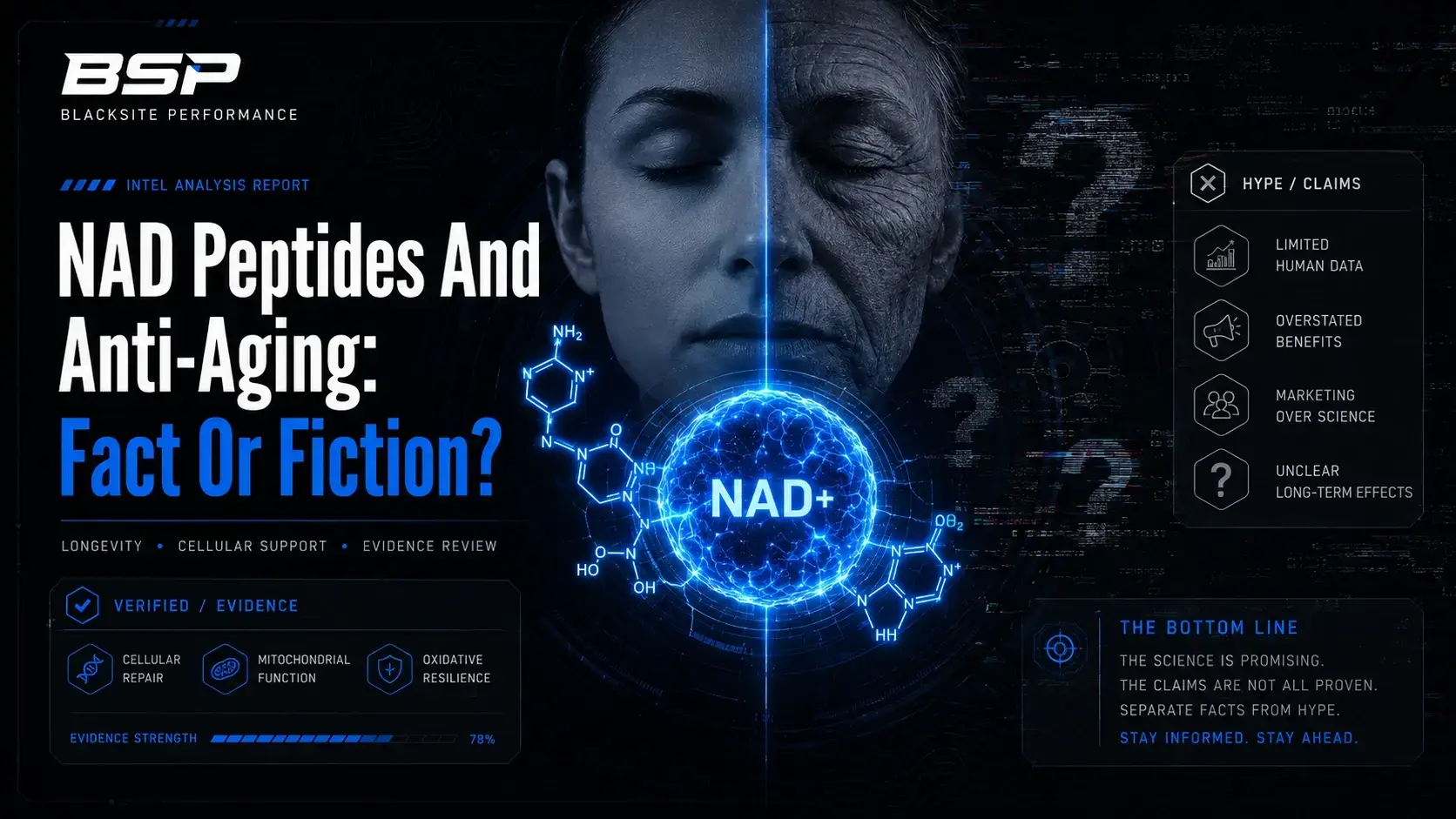
Table of Contents
Why NAD+ Is a Hot Topic in Longevity Research
NAD+ is a molecule your cells use every day to keep pretty much everything running smoothly, from turning food into energy, to fixing damage in your DNA, to keeping your metabolism on track. Levels of NAD+ naturally drop as people get older, which has gotten lots of researchers and companies interested in ways to bump those levels back up. Some scientists are even calling NAD+ a “fuel” for healthy aging, since many processes tied to feeling energized and staying healthy rely on having enough NAD+ around.
How NAD+ Biology Changes With Aging
There’s solid evidence that NAD+ levels slip as people get older. You can see this in mice, humans, and plenty of other animals. Low NAD+ is linked with aging-related issues in the brain, muscles, and immune system. In the lab, cells with low NAD+ show more DNA problems and can stop dividing, which is something that pops up a lot in aging tissues.
Researchers think this might be part of why recovery slows down and more health issues pile up with age, but it’s still not totally clear if NAD+ loss is a cause or just a side effect of aging.
What Animal and Laboratory Studies Say About NAD Peptides
In the lab, scientists have given mice and other animals special forms of vitamin B3 called NAD precursors (like NMN and NR) that help boost NAD+. In a bunch of studies, animals given these precursors:
- Moved around more and looked healthier for their age
- Had better metabolism and energy levels
- Showed better muscle and brain function
- Even had improvements in some age-related diseases
It’s pretty exciting, but it’s worth noting that the doses used in mouse studies don’t always match what humans would take, and animals can respond differently. It’s cool biology, but not a guarantee that things will work the same way for people.
What Human Studies Have Found So Far
There are more human trials popping up, but it’s still early days compared to the amount of work done in animals. Small trials of NAD precursors like NMN (nicotinamide mononucleotide) and NR (nicotinamide riboside) have shown:
- Taking these supplements really does bump up NAD+ levels in the blood
- No big safety problems for healthy adults over short periods
- Very modest improvements in some areas, like insulin sensitivity or muscle fatigue, but nothing life-changing yet
Most studies so far are pretty short, sometimes just a few weeks to a few months. There’s hardly any research on NAD peptides (the injectable or IV products), and most of the buzz online comes from personal stories, not published science. So when it comes to definitive results for humans, we just don’t have the big picture yet.
Biomarkers Versus Meaningful Health Outcomes
This is where things get a little tricky. It’s pretty easy to show a bump in NAD+ levels (a biomarker) after taking supplements. But what everyone really wants is slower aging, better health, and lower risk of disease. Right now, almost none of the studies in people have tracked long-term health or true “anti-aging” outcomes. Raising NAD+ in the blood is just a starting point, but the bigger question is whether this translates into actually staying healthier or feeling better as years go by. Most clinical studies so far have not stuck around long enough to answer this crucial question.
So far, there’s a gap between what we can measure (NAD biomarkers getting higher) and what really matters to people (living longer, fewer health issues, more energy). Monitoring these kinds of outcomes over many years will take time, research funding, and lots of patience from both scientists and those interested in using NAD+ boosters.
Anti-Aging Claims You Should Be Skeptical About
Marketed as “age-reversing,” “miracle molecule,” or “repair for damaged cells,” NAD peptides and related supplements get promoted with some pretty bold language. Some clinics and websites say these products will roll back years, fix wrinkles, or cure age-related diseases. The reality is that none of the human research supports these dramatic claims.
- NAD boosters have not been shown to reverse aging in people
- There’s no proof that supplements repair age-related damage at the tissue or organ level in humans
- “Reverse aging” is not a claim supported by FDA or health authorities
Repeating what animal studies found doesn’t mean the same thing is going to happen in humans, especially when it comes to complex stuff like memory, skin health, or chronic diseases. Healthy skepticism is needed when you see these next-level cool claims, especially online.
Can Websites Really Say “Reverses Aging” or “Repairs Damage”?
For any product, the FDA and FTC have pretty strict rules about advertising. You just can’t say something “reverses aging” or “repairs age-related damage” unless there’s solid proof from well-run clinical trials in people. Throwing these phrases on a website can lead to penalties or legal trouble. Websites using this language, even if they’re promoting popular science, tend to step outside of what’s legally and ethically supported.
Even if a supplement is safe and bumps up a biomarker in your blood, that’s not the same as showing it reverses wrinkles, heals your organs, or actually makes people live longer. Sometimes the marketing gets way ahead of what the science shows; it’s important for consumers to keep an eye out for these exaggerated claims.
Lifestyle Habits That Matter for Healthy Aging
Boosting NAD+ with peptides or supplements gets most of the attention, but some everyday habits have already been shown in research to help keep you healthier as you get older. These include:
- Staying physically active (even regular walks)
- Eating a healthy, balanced diet (with lots of veggies and not too much processed food)
- Getting enough sleep
- Cutting down on smoking and heavy drinking
- Managing stress and keeping your brain engaged
These basics have way more proof behind them for healthy aging than any NAD peptide shot, at least so far. The best part about these habits? Besides helping your NAD+, they benefit your heart, mood, memory, and overall health—no prescription needed.
What We Know About NAD Peptide Safety and Uncertainties
Short-term, oral NAD precursor supplements like NMN and NR are holding up pretty well in clinical studies; very few side effects reported, and nothing too concerning for healthy adults. The long-term effects, especially with higher doses or in special groups (like elderly folks or those with medical conditions), aren’t clear yet.
NAD peptides given through IV or injections have even less evidence for safety. There’s basically no published research showing long-term safety, what the ideal dose would be, or how bodies process these formulations. Anyone thinking about IV or peptide treatments should know it’s mostly “try at your own risk” right now, especially when done outside of approved clinical trials and with little oversight. If you’re thinking about trying NAD peptides in any form, checking in with a medical professional really is the wise move.
How to Approach NAD Peptides and Anti-Aging Products
With any new anti-aging trend, it’s really important to separate what’s exciting in mouse labs from what’s proven for people. Most doctors and scientists in this field recommend sticking with evidence-based health choices, and only considering new supplements or therapies under medical guidance, especially if you have any health issues. Be curious but skeptical, especially with new or trendy products claiming to set you free from aging.
NAD+ is clearly important for healthy aging. But until there are longer, bigger studies in people, it’s pretty safe to say these supplements are “promising” for some early signs of benefit, but not a shortcut to living longer or reversing aging. Careful research helps buyers make informed decisions, and being well-informed protects your health and your wallet.
Frequently Asked Questions
Do NAD peptides really make you younger?
There’s no strong human evidence that NAD peptides or supplements actually make people younger. They may support some cellular processes that dip with age, but calling them a true anti-aging therapy is jumping the gun.
Are NAD supplements safe?
So far, oral supplements like NMN and NR seem safe for healthy adults in the short term. We don’t know much about the long-term effects or about NAD peptides given by IV or injection; more research is definitely needed there.
Are NAD boosters better than diet and exercise?
Healthy habits (like exercise, good sleep, and balanced eating) have way more proof for boosting your health and possibly slowing aging compared to any supplement, including NAD boosters.
How can I raise my NAD+ naturally?
Things like regular movement, intermittent fasting, and not overdoing calories seem to support healthy NAD+ levels. Some foods high in vitamin B3 (like salmon, tuna, or mushrooms) also help your body make its own NAD+.
Wrapping Up
Excitement over NAD peptides for anti-aging is easy to understand; boosting a key molecule sounds like a simple fix. But while the science is promising in labs and animal studies, there’s not enough real-world proof in humans to call NAD boosters a proven anti-aging solution. Healthy habits still come first, and anyone considering these therapies should talk it over with their doctor and stay tuned for more solid research. Over time as science grows, we’ll get a better sense of whether NAD really is a magic bullet—or just one piece of the much larger puzzle of healthy aging.
Download the Blacksite Bloodwork Red Flag Checklist to help spot potential issues with new research compounds and supplements.
Disclaimer: This article is for educational purposes only. Not medical advice.
Please check out our blood checklist!
Or for New Parents follow along our partners for all things New-Parents related!
No responses yet