
Future Trends In Peptide Research is entering a new era, with breakthroughs in science and technology opening cool pathways for medicine and wellness. The buzz around peptides is rising, especially with blockbuster weight loss drugs, antiaging treatments, and new therapy options for tough diseases. Even though headlines promise medical “breakthroughs,” the real story revolves around better design, safer use, and bridging the gap between lab discovery and practical, everyday therapies. Here’s my look at where peptide research is heading, why there’s so much hype, and what needs more proof.
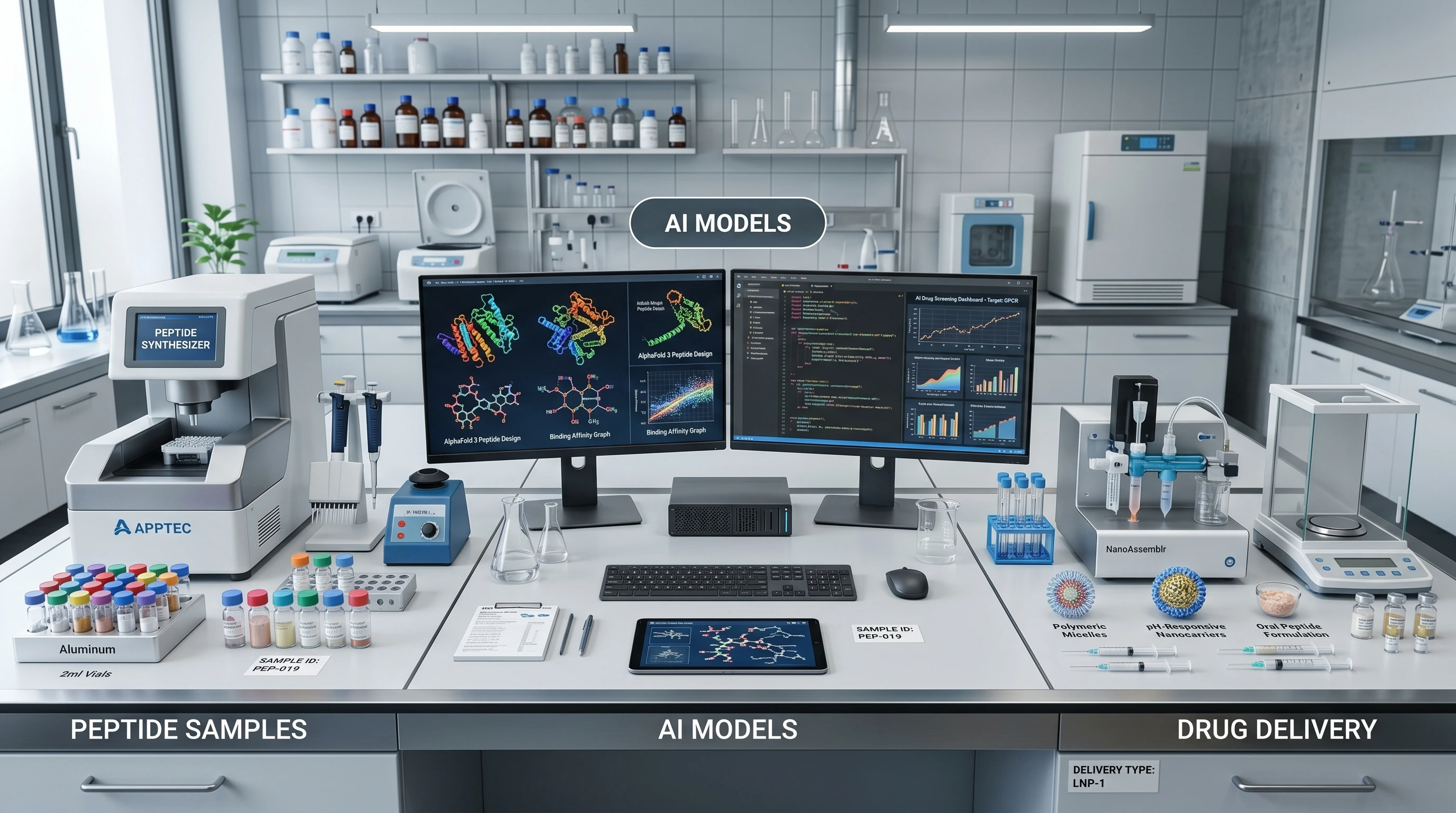
Table of Contents
Future Trends In Peptide Research
Why Peptide Research Is Booming Right Now
Peptides, short chains of amino acids, have a long record in medicine, but their importance has exploded thanks to wins in fighting obesity, diabetes, and more. Medically approved peptides like GLP-1 receptor agonists (think Wegovy and Ozempic) offer a clear example of just how potent and targeted these substances are. Unlike old-school drugs, peptides can zero in on specific receptors or pathways with high accuracy, cutting down on unwanted side effects and making them helpful for tackling tough-to-treat illnesses.
The money follows the science. Right now, governments, pharmaceutical companies, and universities are pouring significant investment into peptide research platforms. Some market forecasts predict the peptide therapeutics market will top $50 billion by 2030. That’s fueled by curiosity, unmet need, a drive for smarter therapies, and ongoing search for better medicines all mixed together.
What Makes Peptides Attractive In Modern Medicine
Peptides attract attention for several practical reasons. For one, they mimic or tweak hormones and messengers that already exist in our bodies. That means they “fit in” naturally with the body’s complex machinery. That’s the main reason why they work for treatments involving insulin, glucagon, and other metabolism controllers. Peptides can hit biological targets that small molecule drugs have trouble reaching. They also break down quickly, limiting long-term exposure and making side effects easier to manage if they occur.
- Specificity: Peptides can focus on one target and avoid disturbing unrelated systems in the body.
- Potency: They’re effective at low doses, so your body doesn’t have to handle big amounts.
- Natural origins: Many are inspired by substances naturally produced in our cells, giving them a track record that’s more “userfriendly” and less risky at the start.
These same strengths bring along some big headaches. Peptides are usually broken down quickly in the body and can be hard to deliver where needed most.
Major Trends: Peptides in Metabolic Disease, Cancer, and More
Peptide treatments now go far beyond diabetes and keep expanding. I see constant headlines about peptides in clinical trials for obesity, metabolic syndrome, and even autoimmune and neurodegenerative diseases. Here are some hot spots in current research:
- Obesity and Diabetes: GLP-1 analogs are everywhere, but studies are ramping up on dual or triple peptide approaches that attack appetite, blood sugar, and fat storage all at once.
- Cancer: Peptides built to stick to tumors can carry cancer drugs straight to the target, cutting harm to normal tissues. These “peptidedrug conjugates” are a big area of growth.
- Autoimmune & Inflammatory Conditions: Some peptides are being tested to disrupt wrong immune signals, which show up in issues like rheumatoid arthritis or Crohn’s disease.
- Antimicrobial Peptides: As classic antibiotics lose their power against superbugs, peptides that poke holes in bacteria or virus membranes are gaining steam as new anti-infective agents.
- Diagnostics: Tagged peptides make it easier for doctors to spot early-stage cancer, heart disease, and other issues when paired with imaging scans.
AI and Smarter Peptide Design
A huge switch-up in the peptide world is the use of artificial intelligence, machine learning, and computer chemistry. Designing a peptide used to be slow and hands-on, but AI now tests thousands of combos digitally to see which sequences might bind a target, survive inside the body, or dodge unwanted immune reactions.
- Faster Screening: AI models can test thousands of theoretical peptide-target combos in hours, narrowing the best choices before spending money in the lab.
- Optimized Properties: Algorithms propose tweaks that step up bioavailability, stability, or effectiveness—long before the peptide is ever synthesized.
- Personalized Medicine: In the future, big data may let us match people to peptides tailored for their unique genes or medical history.
Big players like DeepMind, Insilico Medicine, and a number of ambitious biotech startups are investing heavily in this field. Expect smarter peptides to move beyond theory and start becoming standard in research and development.
Biggest Challenges: Delivery, Stability, and Bioavailability
Peptides sound great in research papers, but delivering them inside real people is complicated. Most peptide drugs can’t be swallowed, since stomach acid or digestive enzymes break them down too soon, which is why we see so many as injections. That’s a barrier for most patients, especially in chronic disease.
- Oral Delivery: Protecting peptides from the gut is a must. Efforts include coatings, carrier molecules, and technology like smart capsules that shield peptides until they’re absorbed where needed.
- Needle-Free Options: Nasal sprays, patches, and inhalable powders are emerging, but keeping peptides stable and active outside injections is still tough.
- Enzyme Resistance: Chemists try to “staple” or modify peptides to avoid breakdown, but that can sometimes change their effectiveness or safety.
There are promising tools like nanoparticles and new lipid carriers that are being studied in animals and some early human data. Seeing these make it to pharmacy shelves for common use will take more testing and patience as the science matures.
Safety, Regulation, and Separating Hype from Hope
For every legitimate research advance, there’s a wave of sketchy “peptides” sold online. A vial you buy from a supplement site is not the same as a compound in clinical trials. Groups like the FDA and European Medicines Agency are strict about only letting clean, safe, and effective peptides reach patients. Unapproved peptides can contain who knows what, have wrong doses, or cause nasty surprises and unknown side effects. If it sounds a little too good to be true, odds are it’s not tested or approved. The so-called “gray market” is full of futuristic claims, but science doesn’t move that fast.
Clinical trials are designed to gradually test safety and effectiveness, with every step peer reviewed or regulated. It’s a slow, careful road—because that’s how you protect patients and weed out false promises. Remember: just because you see a headline or a “science breakthrough” online doesn’t mean you should inject yourself. Good science is careful for a reason. Lab discoveries pave the path, but the gray market offers no shortcuts—just higher risk.
What Consumers and Users Should Watch For
The peptide world is packed with excitement, confusion, and a whole lot of marketing. If you’re thinking about peptides for health or wellness, check if the therapy is approved for your condition. Ask your doctor, and stick with credible suppliers, published studies, and official regulatory sites. Don’t just jump at the latest claim from an influencer or Instagram ad.
- Marketing Claims Vs. Reality: Anyone calling a peptide a “miracle” or claiming it “reverses aging” needs to show real human studies. Track down peer reviewed research first.
- Prescription Vs. Research Peptides: Peptides approved by the FDA have gone through strict tests. “Research” peptides found online are often not safe, nor meant for actual use in people.
- Understanding Risks: Even peptides with lots of research can cause side effects—especially if used without a doctor or outside standard medical guidelines.
Practical Takeaways and What’s Next
Peptide science is advancing rapidly, but solid science takes time and skepticism. Look out for new therapies in obesity, metabolism, cancer, and rare diseases, many designed with input from AI and big data. But the big questions remain around safe delivery, effective real-world results, and honest marketing. Whether you’re a medical provider, patient, or just curious, make sure to keep up with research, regulatory news, and never drop your critical thinking when you see a peptide trend.
I recommend following resources like Blacksite Intel, which lays out clear updates and trends on peptides in medicine, science, and technology. If you want to keep up with this everchanging field, it’s a reliable place to learn more and get no-nonsense insights.
Frequently Asked Questions
What are peptide therapeutics?
Peptide therapeutics are drugs made from short chains of amino acids that target specific cells or receptors in the body. They can act like hormones, enzymes, or signaling molecules.
Why are peptides important in medicine?
Peptides offer precise targeting, high potency, and often fewer side effects than traditional drugs. They’re used for diseases ranging from diabetes to cancer and autoimmunity.
What diseases are peptides being studied for?
They’re being tested in obesity, diabetes, various cancers, autoimmune diseases, infectious diseases, and for imaging in diagnostics.
How is AI used in peptide research?
AI speeds up peptide design, predicts how peptides interact with biological targets, and helps create stable, effective new drugs much faster than manual lab testing alone.
Are peptides the future of weight loss?
Some peptides like GLP-1 analogs have changed weight loss medicine, but long-term safety, real-world results, and access are still being studied.
What are the biggest problems with peptide drugs?
Delivery (most require injection), quick breakdown in the body, and challenges with large-scale manufacturing are ongoing problems that researchers are trying to solve.
Why are many peptides injectable?
Peptides break down quickly in stomach acid or by digestive enzymes, so they often can’t be taken by mouth alongside food or drink.
Are research peptides the same as approved medicines?
No. Research peptides are for lab use and haven’t gone through safety and efficacy trials required for prescription drugs.
What peptide trends should consumers watch?
Watch for AI-designed peptides, new delivery systems, and more dual- or triple-action therapies for complex diseases.
What peptide claims should raise red flags?
If something promises “cure-all” results without human studies, avoid it. The safest choices are always those backed by real clinical trials and medical approval.
Please check out our blood checklist!
Or for New Parents follow along our partners for all things New-Parents related!

No responses yet