
If you’re hearing more about NAD peptide supplements, you’re not alone. There’s a lot of buzz around these products lately, especially among people interested in longevity and energy. But if you’re new to the world of NAD, things can get confusing fast. so we put together a beginner’s guide to NAD peptide supplements. Brands use different terms, product forms look similar but work differently, and online claims often sound too good to be true. Here is a beginner’s guide to NAD peptide supplements; I’ll break down what NAD peptide supplements really are, what to look for, and how you can make informed decisions as a beginner.
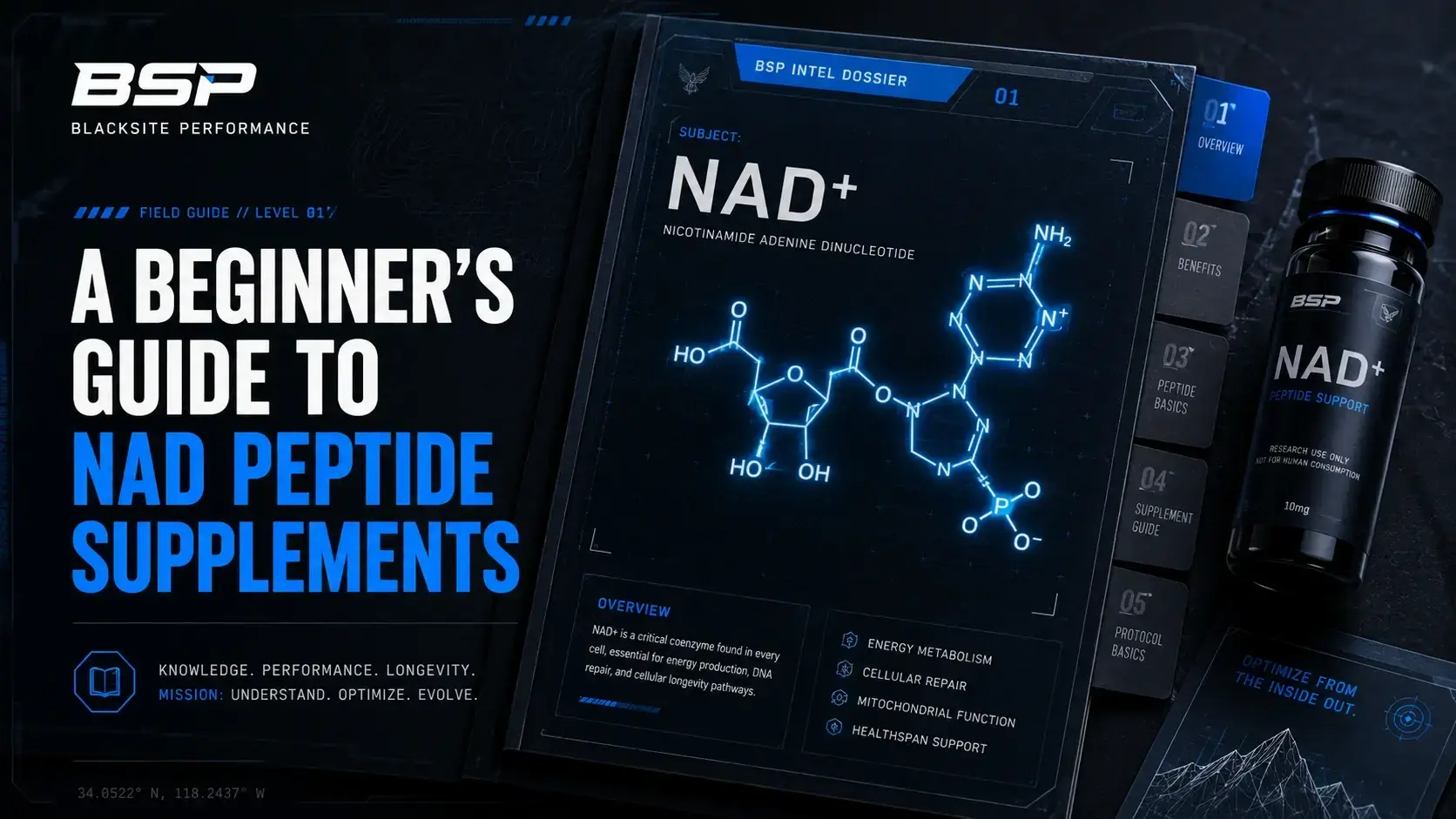
Table of Contents
A beginner’s guide to NAD
What People Mean When They Say “NAD Products”
NAD stands for nicotinamide adenine dinucleotide, a molecule that every cell in your body uses to help turn nutrients into energy. NAD is also tied to repairing DNA and supporting healthy cell function. So when people talk about “NAD products,” they usually mean supplements or treatments that aim to boost NAD levels in your body. You’ll see a wide range of these, from over-the-counter capsules to specialized IV drips at wellness clinics. Some products use “peptide” language just to seem cutting edge, but it’s really important to know what these terms mean when you shop around.
NAD+, NR, NMN, Niacin, and Other Compounds: Clearing the Confusion
The world of NAD supplements is packed with abbreviations and sciencey names. Here’s my quick breakdown of what you might see:
- NAD+: The active form of NAD used in your cells. Direct NAD+ supplements are usually given by IV; most capsules won’t actually contain plain NAD+ because it breaks down fast in your gut.
- NR (Nicotinamide Riboside): This is a building block your body can use to make more NAD+. It’s found in some oral supplements and backed by clinical studies for safety.
- NMN (Nicotinamide Mononucleotide): Another molecule that your body converts to NAD+. NMN is a bit newer and may sound trendy, but early research supports its potential. They’re both options you’ll find in pill form.
- Niacin (Vitamin B3): One of the original ways to support NAD production, but higher doses can cause a flushing sensation. Still, it has a long safety history.
- Peptides: Sometimes used loosely on labels, but a true “NAD peptide” would mean NAD attached to a short chain of amino acids. Most NAD products aren’t technically “peptides” in the usual science sense.
The main thing is, not all NAD products are built the same, and some are more researched than others. If you’re choosing an oral product, check if it contains NR or NMN, and be wary if the label’s too vague.
Basic Forms You’ll See: Pills, Powders, IVs, and More
Supplement companies and clinics offer NAD in several forms. Here’s what you’re likely to come across as a beginner:
- Oral capsules and tablets: Often contain NR, NMN, or niacin. Easy and convenient for daily use.
- Powders: Sometimes available for those who want to adjust doses or add to smoothies. Double-check ingredient details, since purity can vary.
- IV infusions: Offered at clinics or wellness spas, NAD IV drips are given directly into the bloodstream. These are usually much pricier and only recommended when supervised by trained staff.
- Transdermal creams or patches: Claimed to boost absorption, but research on their effectiveness is still really limited.
- Research use only products: You might see powders or injectable forms marked “for laboratory use only.” These are not tested or labeled for human use; steer clear unless you’re a qualified scientist.
The route you pick changes not just how a product works, but also how safe and well regulated it is. Always double-check which form you’re looking at and make sure it matches your goals and comfort level.
Why Administration Route Matters: Risks and Regulations
NAD supplements aren’t all created with the same level of safety and oversight. Here’s why how you take them matters:
- Oral supplements (tablets or capsules) are widely available as dietary supplements in countries like the U.S. They’re regulated, but mainly for safety, not for whether they “work.”
- IV infusions fall under medical procedures. These should always be done in a clinic setting by health professionals. While some people say the effects feel stronger, IV therapy comes with higher risks like infections or reactions.
- Research use powders can look tempting for DIYers, but these aren’t tested for human safety or purity. There’s no oversight, and you really have no clue what you’re getting.
If you’re ever unsure, ask a pharmacist or licensed health professional for advice. It’s better to play it safe, especially with newer or less proven options. You’ll get better peace of mind by getting professional input and making an informed choice.
How to Read Supplement Labels (And Spot the Hype)
Slick marketing can make any supplement sound like a miracle. Some labels look promising at first glance, but here’s how I read them to get the real story:
- Check the actual ingredient list. Does it list a specific form (like NMN or NR) and the amount per serving? If it just says “NAD complex” with no details, that’s usually a red flag.
- Look for third party lab testing. This means an outside lab checked that what’s in the bottle matches the label and isn’t contaminated. Brands that show results or mention “COA” (certificate of analysis) take transparency seriously.
- Be wary of “miracle” claims. If a label promises to cure diseases, give instant energy, or reverse aging overnight, there’s a good chance the company’s pushing hype over facts.
- Find batch or lot numbers. This info shows the company tracks their products and can identify quality issues. A lack of lot tracking is a bad sign.
Reading between the lines helps you avoid brands that rely more on marketing than on real results.
What Testing and Quality Docs Really Mean
Seeing “lab tested” on a bottle sounds reassuring, but not all testing is the same. If a brand shares a current Certificate of Analysis (COA), it usually covers:
- Identity of the main ingredient (shows it is what the label says)
- Purity (checks for heavy metals, microbes, or other contaminants)
- Potency (verifies the amount listed is in the product)
These documents help, but even good labs can’t guarantee the supplement works as promised. Most supplements aren’t tested for how well they boost NAD in the body or how they affect long term health. A COA shows the product is clean and matches the label, but doesn’t prove results for your energy or health claims. Keep your guard up and look for real data when possible.
Sorting Through Dosage Claims
If you Google “NAD supplement dosage,” you’ll find numbers all over the place, sometimes from doctors, sometimes from random blogs or ads. Here’s the straightforward part. There’s no official, agreed upon dose for NAD supplements yet. Most research uses NR or NMN in daily doses from 100mg to 500mg, but your body, genetics, and even your diet can change what you need. Never assume that higher is automatically better, and copying someone’s dose isn’t always safe. Checking with a healthcare pro before starting something new is always the better option because individual needs can vary a lot.
Questions Worth Asking a Pharmacist or Clinician
If you’re thinking about starting NAD peptide supplements, it’s smart to bring some questions to your doctor, pharmacist, or other licensed clinician. Here are a few ideas that can lead to better choices and fewer surprises:
- “Is this product shown to safely raise NAD in people?”
- “What side effects should I watch out for with this supplement?”
- “Will this interact with any medicines or conditions I have?”
- “Is there a specific type or dose that’s safest to start with?”
- “Is this product really necessary, or would a basic B3 vitamin do the same thing for me?”
A skilled health professional can steer you toward trustworthy sources and offer advice that’s actually tailored to your needs.
Red Flags: Knowing What to Avoid With NAD Supplements
- Miracle or disease cure claims. No supplement can promise to treat, cure, or prevent disease. Those statements can get companies in trouble with regulators; it’s a sign to be cautious.
- No lot/batch information. Legit supplement brands track products by batch numbers. Products lacking this info may not be serious about safety.
- Missing or unverified testing. If there’s zero mention of testing or documentation, that’s a definite red flag. Reliable brands will mention third party testing and share COAs if you ask.
- For research use only. Never take anything marked “not for human use,” as these aren’t regulated for supplement safety.
A Beginner’s Checklist for Looking at NAD Peptide Supplements Responsibly
- Is the product using specific, accurate ingredient names (NR/NMN/niacin), or just using buzzwords?
- Does the label clearly show the amount per serving?
- Is there a recent COA or third party testing?
- Does the packaging list a batch or lot number for tracking?
- Are the company’s claims realistic, or are they overselling the benefits?
- Have you checked with a credentialed health professional before adding this supplement?
Taking a few extra minutes to research and double check can go a long way toward keeping you safer and giving you a better chance at reaching your goals with NAD supplements. Brands that are transparent, use clear labeling, and back up claims with evidence are worth prioritizing any day. Your future self and your budget will probably thank you for it.
Download the Blacksite Bloodwork Red Flag Checklist to help spot potential issues with new research compounds and supplements.
Disclaimer: This article is for educational purposes only. Not medical advice.
Please check out our blood checklist!
Or for New Parents follow along our partners for all things New-Parents related!

No responses yet