
BPC157 is getting a lot of buzz regarding Science Behind BPC 157’s Regenerative Properties in the health and fitness world because of its wildly interesting potential. When researchers talk about “regeneration” with BPC157, they’re not describing a shortcut to rapid or miraculous healing. The focus is really on the body’s natural repair systems, like cell signaling, tissue remodeling, controlling inflammation, and helping the body bounce back after injuries or stress. Here’s what all that actually means when it comes to BPC157.
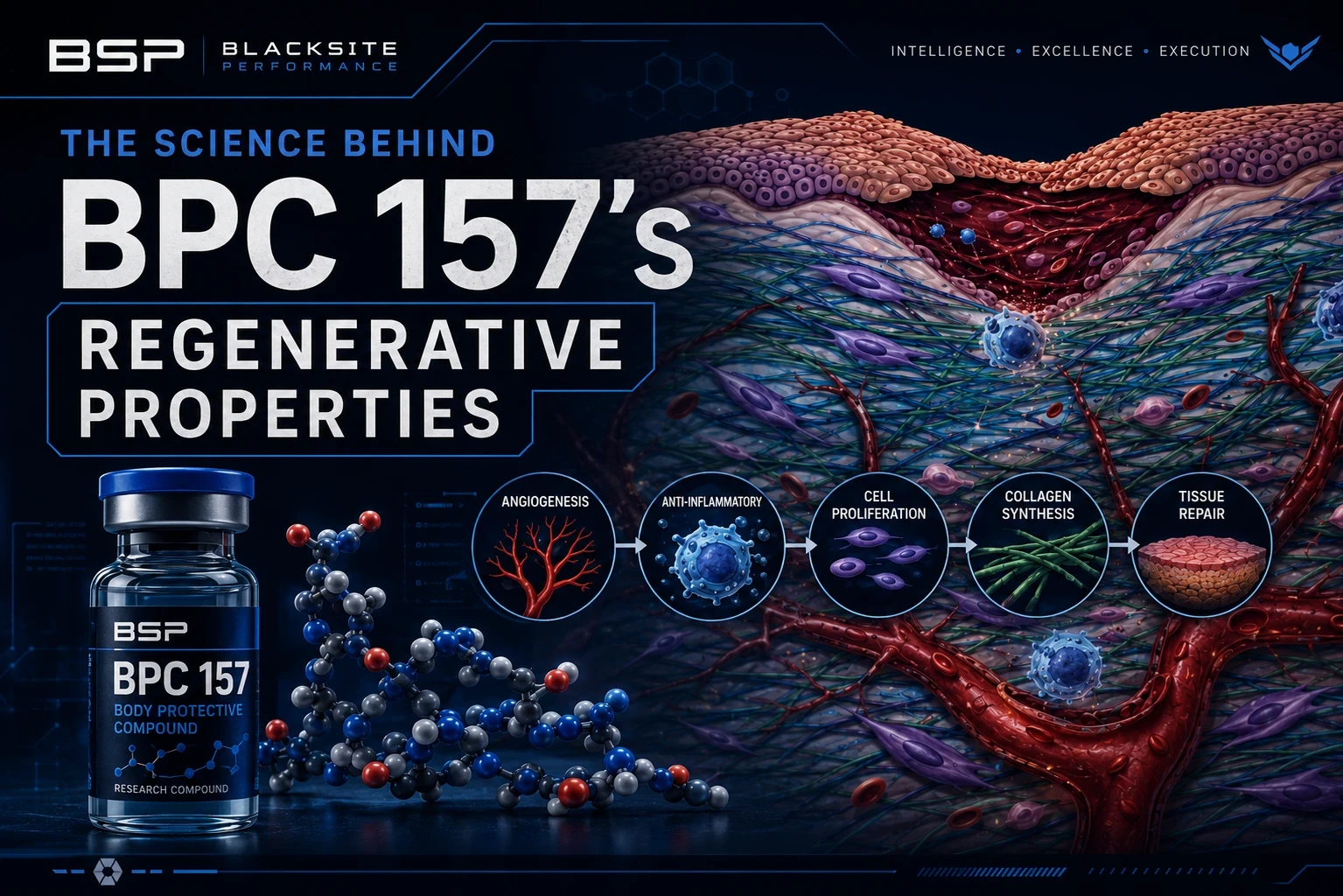
Table of Contents
The Science Behind BPC 157’s Regenerative Properties
What “Regenerative Properties” Means
Regeneration is basically the process your body uses to repair or replace damaged cells and tissues. This isn’t an instant fix or a superpower. Instead, it’s a series of steps your body moves through, like sending signals for repair, reducing the wear and tear from inflammation, and remodeling tissues such as skin, joints, tendons, and even nerves.
When people talk about BPC157 being “regenerative,” they’re usually referring to studies that show it supports these repair processes. That includes improvements in how cells communicate after injury, quicker soft tissue recovery, and possibly helping with chronic inflammation.
In addition, the word “regenerative” doesn’t mean the body will snap back overnight. It just means certain healing mechanisms may get a boost, allowing tissues to recover in a more organized and sometimes faster way. Especially in the context of sports injuries or wear from overuse, having something that could help prompt the body’s normal repair work can be a real plus. But it’s important to remember this is about supporting the natural processes, not skipping recovery steps. Even with BPC157, rest, nutrition, and physical therapy still matter.
BPC157 And Tissue Repair Signaling
BPC157 is a synthetic peptide based on a protein found in the stomach. It’s gotten attention for how it might help your body switch on its repair systems. In preclinical studies, researchers have noticed BPC157 can trigger pathways that help signal when and where cells should start fixing themselves.
For example, it may help regulate growth factors and enzymes needed for healing wounds or rebuilding connective tissue. Some animal studies at the molecular level have shown that BPC157 can encourage cells to migrate to injury sites, kickstarting the repair process. That’s one reason why athletes and those with repetitive stress injuries find research on this peptide really interesting.
These changes in cell signaling are important because, without proper signals, damage can linger or heal poorly. BPC157 seems to encourage a better response in the early and middle stages of healing, which could make a difference for people prone to sprains, strains, or slow healing wounds.
Angiogenesis And Blood Flow
One of the most talked-about areas of BPC157 research involves angiogenesis, which is just a technical word for the formation of new blood vessels. Having enough blood vessels means better blood flow, improved delivery of nutrients, and more oxygen reaching damaged tissues during recovery.
In animal studies, BPC157 has been shown to increase the rate at which new blood vessels form after injury. This could speed up healing because blood flow is a major part of how injured tissues get what they need to recover. If you’ve ever wondered why swelling goes down faster or bruises heal more quickly in some people, proper blood vessel growth plays a big part.
Better blood flow not only helps with nutrient and oxygen supply but also supports quick removal of metabolic waste from injured areas. This can make swelling resolve sooner and support more efficient tissue rebuilding. Angiogenesis is key in recovering from muscle injuries, surgical wounds, and even slow-healing skin ulcers, so the ability to step up blood vessel formation could be a significant advantage in recovery scenarios.
Collagen And Connective Tissue Remodeling
Collagen is a major protein your body uses to build and repair everything from skin and ligaments to tendons and cartilage. Well organized collagen fibers can mean stronger, more flexible tissue. Early lab studies suggest BPC157 may help the body lay down new collagen and organize it in a way that makes repaired tissue more resilient.
This is especially valuable during recovery from tendon or ligament injuries, where disorganized collagen can leave tissues weak and more likely to get reinjured. BPC157 research often focuses on how this peptide and its signaling pathways could help support better alignment and quality of connective tissue as it heals.
Additionally, organized collagen fibers are not only stronger, but also more elastic, which is crucial for movement and load bearing. That’s why exploring how BPC157 might guide proper collagen formation is of great interest to physical therapists and those recovering from intense physical activity.
Inflammation Modulation
Inflammation is a normal part of how the body repairs itself, but too much inflammation, or inflammation that won’t quit, can slow things down and even cause new problems. Research into BPC157 indicates it might help modulate this process, which means supporting the benefits of inflammation while dialing down the parts that make healing less efficient.
In basic terms, BPC157 appears to help keep inflammation in a healthy range. This could mean less swelling, discomfort, and potential for chronic tissue changes after injury.
This moderation of inflammation may encourage a better healing environment, particularly in chronic or long-lasting injuries where swelling can linger. While acute inflammation is helpful for starting the healing process, chronic swelling can break down tissues further. If BPC157 can make healing more efficient by keeping inflammation in check, it might help accelerate functional recovery.
Gut Derived Protective Effects
Since BPC157 originally comes from the stomach lining, it’s not surprising that a lot of the research on this peptide is focused on gut health. Studies in animals show BPC157 may help protect the stomach and intestinal lining. It’s been investigated for its role in healing ulcers, reducing gut barrier damage, and protecting against some chemicals and toxins that can cause GI issues.
For anyone interested in gut health or dealing with long term GI problems, these findings are pretty intriguing. There’s even exploration of whether these effects translate to maintaining the gut barrier during physical or mental stress, though that evidence is still emerging.
BPC157’s protective effects might also benefit people who take medications known to irritate the stomach or who experience recurring digestive tract discomfort. Ongoing research is digging into whether these gut-protective properties can help with inflammatory bowel conditions, or even help athletes manage stress-induced digestive concerns.
Tendon, Ligament, And Muscle Research
This is where BPC157 has really caught the eye of sports medicine and rehab researchers. Many rodent studies have looked at its effects on tendon and ligament healing, especially after overuse injuries or tears. There’s some evidence that BPC157 could speed up recovery in these soft tissues, possibly making repairs more complete and less likely to break down again.
Muscle injuries and strains are also under the microscope. In animal models, BPC157 shows a pattern of supporting quicker healing and possibly leading to better muscle structure after injury or strain. That said, these findings are mainly from preclinical research, so real world results for people are still up in the air.
More specifically, some animal research shows not just faster healing, but a repair that leaves soft tissue more robust, with fewer abnormal scars. That could mean fewer setbacks during rehabilitation. People with chronic injuries or athletes seeking a faster return to training might be particularly interested in these potential benefits, though human data still needs to catch up.
Nervous System And Pain Signaling Research
Recently, researchers have started looking into whether BPC157 can support recovery in nerve tissue or help with pain signaling. There’s some early animal research that hints BPC157 could help reduce nerve irritation or speed up the repair process for certain types of nerve injuries.
Exploring pain pathways, scientists are curious if BPC157’s effects on inflammation and blood flow might help with chronic pain or neuropathies. These are new and very early findings, and much of this area still needs more data before making any solid recommendations.
Although the pain modulating effects of BPC157 remain theoretical, initial studies suggest it could support faster nerve healing and tone down some pain signals. This has led to interest not just for acute injuries, but also for stubborn nerve pain conditions that don’t respond well to standard therapy. It’s a field worth watching if you’re dealing with pain that isn’t responding to other approaches.
BPC157 And Nitric Oxide Pathways
Nitric oxide is a molecule that helps regulate blood vessel size and blood flow, which is a big deal for tissue repair. Some research shows that BPC157 may influence how nitric oxide gets produced and used during healing. This could explain why improved circulation is often seen in lab studies after BPC157 use.
Better blood flow supports faster delivery of what cells need to repair themselves, along with quicker removal of waste products. This mechanism is still being worked out by researchers, but it’s an interesting area for those interested in the science of healing.
It’s possible that a boost in nitric oxide pathways thanks to BPC157 could expand its positive effects to cardiovascular health or wound care. As research continues, finding out how strongly BPC157 impacts nitric oxide production could open up even more uses for tissue recovery and resilience.
Preclinical vs. Human Evidence
Most of what’s known about BPC157’s regenerative benefits comes from preclinical studies, meaning lab or animal research. There isn’t much high quality human data yet. A lot of the excitement around BPC157 comes from these early studies, and sometimes personal anecdotes or case reports.
While this research is promising, translating results from animal models to humans isn’t always straightforward. Anyone interested in BPC157 as a supplement or treatment should know that the jury’s still out when it comes to largescale, peer reviewed clinical trials in people.
In summary, keep in mind that scientific understanding is still a moving target. What works in rodents doesn’t always translate to people the same way. Looking for ongoing human studies or updates from medical professionals helps track down where BPC157 research stands in real life use.
Safety, Purity, And Testing Concerns
Like with any supplement or research chemical, safety is a big topic. Not all sources for BPC157 are equal, so there’s a real concern about purity, contamination, and sterility with peptides that aren’t tested or certified by third parties. Reliable sources should provide certificates of analysis (COA) to doublecheck what’s in the vial.
Another thing worth thinking about is the long term safety data, since studies in people are pretty limited. Anyone considering BPC157 should take a careful look at sourcing, talk with their healthcare provider, and weigh the risks, especially because there’s still a lot we don’t know about potential side effects or unexpected interactions.
It’s vital to avoid buying peptides from sources that do not offer clear lab testing. Even with promising science, side effects or impurities can undo any benefits. Remember that health decisions work best in partnership with a medical professional who can help weigh current evidence, your specific needs, and your risk tolerance.
Final Takeaway
BPC157 has become pretty popular for its regenerative potential. Most of this comes from promising research into how it supports the body’s repair signaling, helps with blood flow, moderates inflammation, protects the gut, and encourages connective tissue remodeling. Anyone interested should keep an open but cautious mind, since most of what we currently know still comes from animal studies and small scale research rather than high quality human trials. Staying informed and talking with a trusted healthcare provider helps you make the best decisions if you’re curious about what BPC157 might offer.
Download the Blacksite Bloodwork Red Flag Checklist to help spot potential issues with new research compounds and supplements.
Disclaimer: This article is for educational purposes only. Not medical advice.
Please check out our blood checklist!
Or for New Parents follow along our partners for all things New-Parents related!

No responses yet