
Your bloodwork is a pretty handy early-warning system that shows what’s happening in your body long before you might notice any symptoms and that is why bloodwork matters. Feeling good doesn’t always mean you’re in the clear. Issues often build up underneath the surface, and blood tests are one of the best tools for catching them early.
Why Bloodwork Matters for Everyday Health
Getting regular bloodwork helps map out patterns in things like your metabolism, heart risk, hormones, inflammation, liver health, kidney function, and even how well you bounce back from workouts or stress. A single set of lab results gives a snapshot, but being consistent and tracking results over time tells the real story. You’ll see trends—are things getting better, staying put, or sliding in the wrong direction? Glancing at just one number often creates unnecessary worry or confusion. It’s the bigger picture and those shifting patterns over months or years that really count.
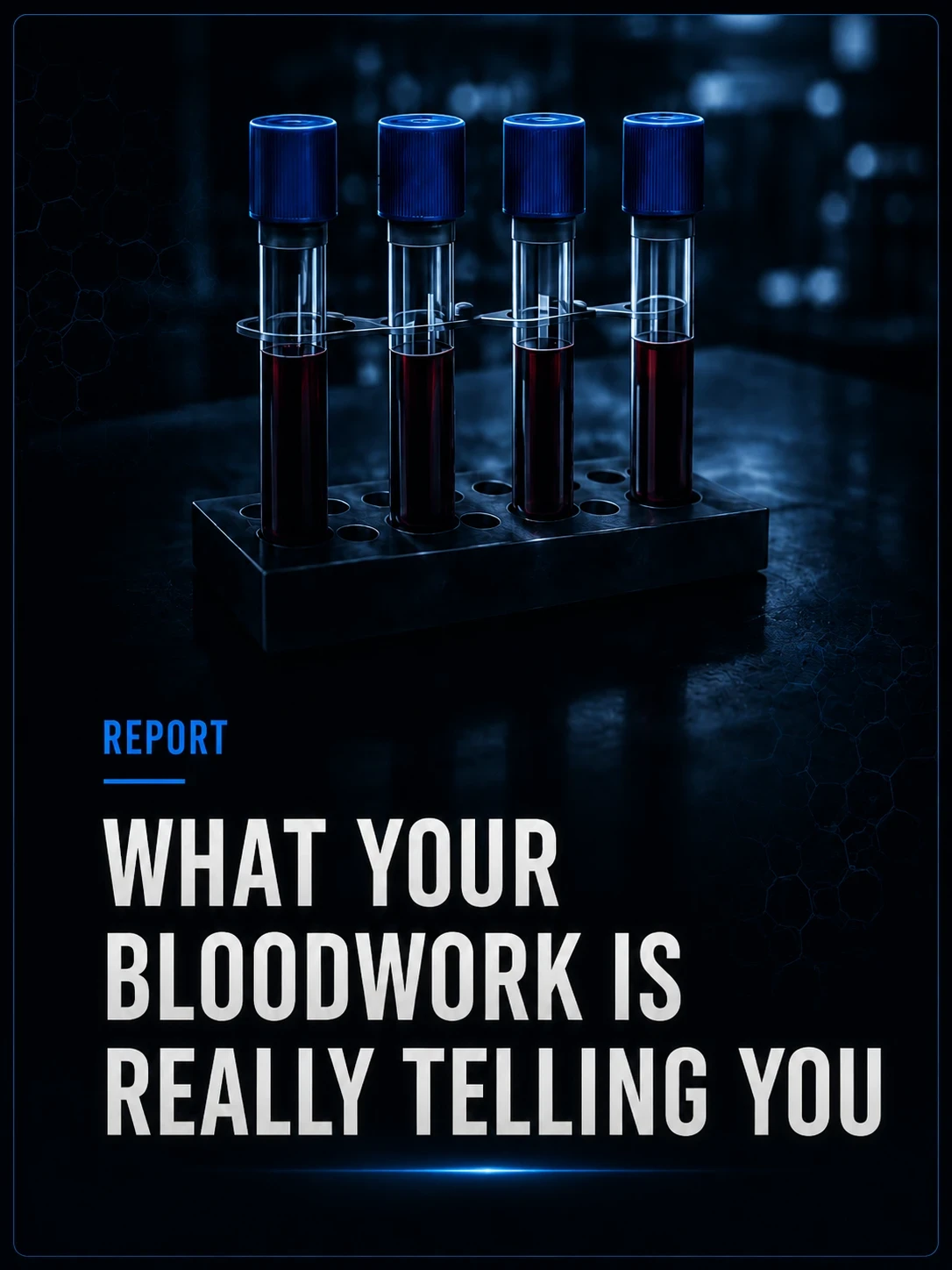
Table of Contents
What Are the Most Helpful Blood Markers to Track?
With the sheer number of lab tests available, figuring out which results to focus on can feel overwhelming. Here’s a quick list of markers that I keep an eye on for myself and recommend looking into for anyone interested in understanding the basics of their health:
- Fasting Glucose and A1C – Track how your body processes blood sugar, even if you don’t have diabetes.
- Total Cholesterol, LDL, HDL, Triglycerides – Paint a clearer picture of cardiovascular health than total cholesterol alone.
- Hemoglobin, Hematocrit – Measure your blood’s oxygen-carrying ability and hint at risks like dehydration or underlying conditions.
- ALT / AST (liver enzymes) – Can catch early liver stress from alcohol, medications, supplements, or hard workouts.
- Creatinine, eGFR – Help figure out kidney function and hydration status.
- Testosterone, Estradiol, Thyroid markers – Explain sluggishness, mood issues, or trouble with muscle and recovery.
- hs-CRP (when ordered) – Checks subtle levels of inflammation even before you “feel” off.
There are other specialized markers depending on your personal health history, medications, or symptoms, but these core labs cover most bases for people curious about their metabolic health and long-term risks.
Understanding the Key Patterns Blood Tests Reveal
Bloodwork isn’t just about isolated numbers in a vacuum. It shows how well your body is handling everything day-to-day. Here’s how I like to break things down:
- Glucose & A1C – These show how well you metabolize carbs. Rising numbers mean it’s time to pay attention before insulin resistance sets in.
- Lipids (Cholesterol & Triglycerides) – Look at LDL, HDL, and triglycerides alongside blood pressure and blood sugar. High LDL by itself doesn’t tell the whole story. Context matters.
- Hemoglobin & Hematocrit – Useful for spotting anemia or, if numbers climb too high, thicker blood that sometimes happens with intense training (especially for men).
- Liver Enzymes (ALT, AST) – These often flag trouble before you have symptoms. They can rise due to alcohol, training, fatty liver, supplements, or some meds.
- Kidney Markers – Creatinine and eGFR tell you if your kidneys are working efficiently and if you’re hydrated.
- Hormone Labs – These are my go-to for unexplained fatigue, recovery issues after workouts, or swings in mood and libido. Testosterone is one piece; estradiol, SHBG, thyroid, and prolactin also tell the story.
- Inflammation Markers – hs-CRP can quietly climb if your body is under more stress than you realize.
Looking at these patterns over time gives a better sense of which lifestyle habits support your goals and which ones should be changed.
Tracking Trends vs. Panicking Over a Single Number
Numbers outside the “normal range” can spark some anxiety, but that range can be pretty wide and doesn’t always equal what’s optimal for you. It’s more useful to notice trends. Is your fasting glucose slowly creeping up? Did your HDL just drop? Are your triglycerides rising year over year? Each of these trends means more when paired with energy levels, mood, blood pressure, and body composition.
Bloodwork is more helpful as a way to ask questions and steer decisions, not a pass/fail exam. If a result swings high or low just once, don’t freak out. Labs can be affected by simple things like what you ate or drank the day before. When you see the same trend over a few test cycles, that’s when it’s smart to talk with a qualified healthcare provider and figure out what’s driving it.
Sometimes, even a series of “in range” numbers could mask a downward trend. For example, if your cholesterol is gradually inching up but still labeled normal, that progression may signal a problem is on the horizon unless steps are taken to address it earlier rather than later.
Common Bloodwork Red Flags to Watch For
- Fasting glucose or A1C trending up
- Triglycerides on the rise
- HDL dropping below your previous baseline
- Hematocrit climbing, especially with symptoms
- Liver enzymes showing up out of range over several months
- Kidney function (creatinine/eGFR) going in the wrong direction
- Low testosterone with clear symptoms
- Estradiol imbalance (too high or low)
- Persistent high inflammation markers
- Blood pressure that stays high together with any of the above trends
Keeping an eye out for these changes means you can catch issues early, often while you’re still feeling 100% fine. That’s pretty uplifting if you ask me.
It’s worth noting that many small shifts caught early are reversible. Addressing these red flags right away can keep you off a trajectory that leads to bigger problems down the line—especially as you age or manage a busy lifestyle.
How to Get The Most Value From Your Lab Results
I always recommend starting with a “baseline” before experimenting with nutrition, supplements, or changes to training. It lets you see if your wellness tweaks are paying off or causing some hidden trouble. Here are a few practical tips that have made my own bloodwork check-ins much more useful:
- Stick with the same lab company each time if you can. Results are more reliably comparable.
- Schedule labs at the same time of day, preferably after fasting (except for a few exceptions like thyroid panels).
- Write down foods, drinks, and meds in the day or two before your test for reference.
- Track your results over time, not just a single test. Graphing your trends can be super helpful.
- Bring your questions to your doctor or a trusted health professional instead of Dr. Google.
On top of these, consider using apps or notebooks dedicated to tracking your health data. Digitally recording your results makes it easier to spot long-term trends and have meaningful conversations at your medical appointments. Consistency is your friend here.
What Bloodwork Can’t Do By Itself
Some people expect bloodwork to “find everything.” In reality, blood results are one tool among many. Abnormal results can catch hidden issues early, but not every condition leaves a clear signature in your labs. They’re great for prompting questions and conversations with your healthcare provider, not handing down a final diagnosis.
I’ve also noticed that tracking bloodwork makes you less likely to jump into random supplements, trendy fat burners, or experimenting with hormone protocols without understanding your starting point. Keeping tabs on your numbers builds a smarter, more sustainable way of approaching your health instead of following quick fixes.
Bloodwork, Blood Pressure, and the Big Health Picture
Blood pressure is just as important as most lab markers but gets less attention. When high blood pressure gets linked up with changes in cholesterol, glucose, or high hematocrit, the risk picture goes up fast. So, I always check my BP readings along with my bloodwork results each year. That combo puts you one step ahead in managing health as you get older or ramp up your fitness routine.
Remember, stress, salt intake, and poor sleep can all increase blood pressure. This is why combining regular bloodwork with BP checks offers a smarter overview. If both your labs and pressure readings show changes, that’s a solid reason to bring it up at your next check-in with your healthcare pro.
FAQs About Bloodwork and Health
What’s the best first test to ask for if I feel healthy but want to get ahead of problems?
Starting with a standard “all-in-one metabolic panel” plus a lipid panel and A1C covers most of the early changes to metabolism, cholesterol, liver, and kidney functions. You can add hormone or inflammation tests depending on your needs and your doctor’s advice.
How often should I repeat my bloodwork?
For most healthy adults, once or twice a year is enough unless you’re tracking a known issue or making big lifestyle changes. If your doctor spots something “off,” they might want to check more frequently to watch trends closely.
Should I be worried if one value is high or low?
I don’t jump to conclusions unless the trend continues or the number is way out of normal. Many factors, like a tough workout, a big meal, or even a tough week, can throw off your results. Retesting in a few months gives you more reliable info.
Do supplements affect bloodwork results?
Absolutely. Some supplements (like biotin, creatine, protein powders, and others) can affect liver, kidney, thyroid, and hormone numbers. Always write down what you’ve been taking before your test and mention it if anything unexpectedly pops up.
Performance and Wellness: Why Intelligence Matters Most
Measuring, tracking, and staying smart about your unique markers is the foundation for solid health. Before trying complicated supplements or protocols, make sure you know where you stand. This saves money, avoids risks, and helps you build a more effective wellness plan with your healthcare provider’s support.
If you want more details on what trends raise eyebrows or when to follow up, you may find my downloadable Blacksite Bloodwork Red Flag Checklist really useful (grab it here).
And just a reminder, I’m sharing what’s worked for me and the basics behind these markers. Always check in with your own doctor for individualized medical advice. This guide is strictly for educational purposes.
Staying curious, asking good questions, and tracking your results put you way ahead of the game when it comes to your health. You don’t have to be a scientist to benefit from understanding your body’s “dashboard.” Just a bit of curiosity and consistency go a long way.
Please check out our blood checklist!
Or for New Parents follow along our partners for all things New-Parents related!


No responses yet