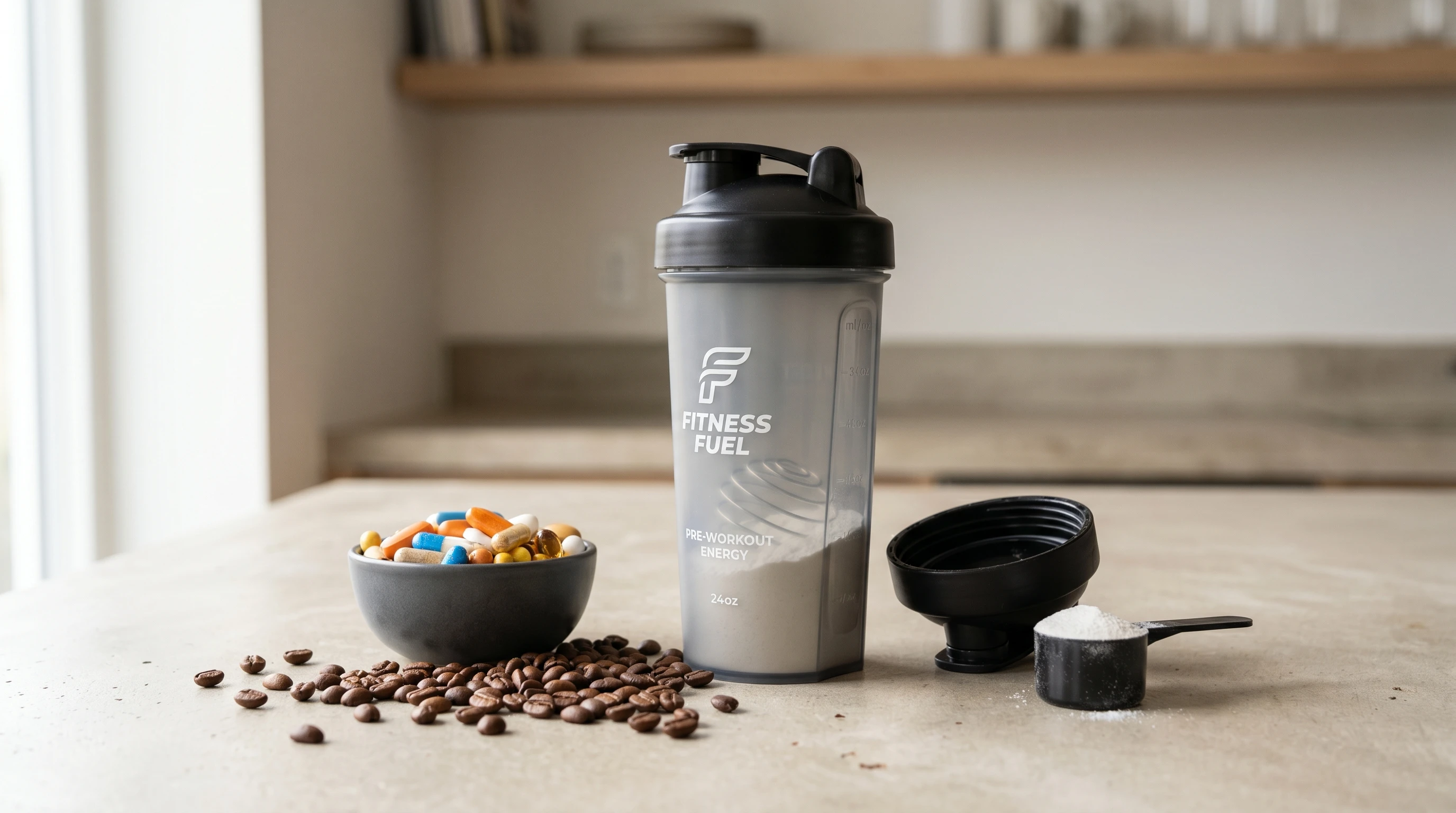
Caffeine has earned a place in almost every fat burner and weight loss supplement on the shelves. It feels energizing, keeps you alert, and sometimes gives workouts a nice boost. The question everyone asks: does caffeine actually burn fat, or are these supplements just amped-up coffee in a capsule? I’m breaking down what caffeine really does, what it can’t do, and some things you need to look for before buying anything promising to melt fat.
Why Caffeine Is Everywhere in Weight Loss Supplements
Caffeine is a favorite for supplement formulas because it’s affordable, reliable, and people feel its effects almost immediately. It’s popular because it can raise energy, help with focus, and give people the stamina to train harder in the gym. When energy drops during calorie cuts or tough workouts, having a little pickmeup can make sticking to a weight loss plan way easier.
When glancing at almost any fat burner, whether it’s a powder, pill, or energy drink, you’ll usually see caffeine as a key ingredient. Brands use it because users can feel the boost fast, and that makes the product seem effective, even if it’s not actually burning more fat.
You’ll also find caffeine in natural sources like coffee, green tea, and even dark chocolate. That means people often get a fair amount from their regular diet, even without supplements. Green tea, in particular, gets promoted as a healthful choice, but its caffeine content is part of the reason people feel a bit more alert after drinking it. For many, these natural sources are their introduction to caffeine’s noticeable effects, long before considering fat burner pills or preworkouts.
What Caffeine Actually Does for Weight Loss
Caffeine works mainly as a stimulant. It blocks a chemical in your brain called adenosine, which usually makes you feel tired. With adenosine blocked, energy levels and alertness go up. Here’s how caffeine can play into your weight loss routine:
- Boosts Energy: Makes you feel more awake, so those early morning workouts or evening gym trips don’t seem as tough.
- Supports Training Output: You can often push a little harder on cardio days or heavy lifts thanks to that jolt of energy.
- Slight Increase in Calorie Burn: Caffeine can slightly raise your energy expenditure (the number of calories you burn in a day), but the effect is pretty modest. It won’t make a huge difference by itself.
- Temporary Appetite Suppression: Some people feel less hungry for a short time after taking caffeine.
Because of these effects, caffeine can make dieting a little less exhausting and training a bit more effective. For folks who get sluggish when they cut calories, having a regular caffeine boost can help keep motivation up during tough stretches. Some even find that a morning dose makes it easier to skip snacking until lunch.
What Caffeine Does NOT Do
There’s a huge misconception that caffeine melts body fat just because it feels powerful. Here’s what it doesn’t do:
- It doesn’t burn fat directly: Caffeine isn’t some magic agent that breaks down fat all on its own. Any increase in fat loss happens because it may help you eat less or train more, not because it’s directly attacking fat cells.
- It can’t replace a calorie deficit: Losing fat still comes down to burning more calories than you eat. No supplement, even the most loaded caffeine pill, changes basic nutrition science.
- No permanent metabolism boost: Your body can adjust to caffeine, so even the small bump in calorie burn from a fat burner or energy drink fades after a while if you keep using the same dose.
So while caffeine can be helpful, it isn’t a shortcut. If weight loss was as easy as drinking more coffee, everyone would have six-pack abs. Remember, if a fat burning supplement suggests otherwise, it’s mostly hype.
How Caffeine Supports Energy and Training Output
Anyone who’s tried caffeine before the gym knows the difference. Suddenly, you’re less groggy and more likely to get through a tough session. If you’re cutting calories and running on less food, this can be especially helpful. You can still get your cardio done, finish workouts strong, and maybe even lift heavier.
But here’s a reality check. Feeling amped doesn’t mean you’re burning more fat. That energy helps you train, but unless you’re also managing calories, weight loss won’t follow. Ultimately, it’s a support tool—not a miracle worker. Giving your workout a boost is great, but don’t expect fat loss without pairing caffeine with a solid nutrition plan.
How Caffeine Affects Calorie Burn (Thermogenesis)
Caffeine, especially in higher doses, can slightly increase the number of calories you burn for a few hours after taking it. This process is called thermogenesis. For healthy adults, the boost is usually around 3 to 11 percent above your normal metabolic rate. So, if you’d burn 2,000 calories a day, the extra from caffeine might be around 60 to 220 calories. Not nothing, but not as much as some fat burner ads would have you think.
It’s also worth mentioning that the exact calorie burn varies from person to person. Someone new to caffeine might experience a bigger bump, but seasoned caffeine lovers will notice less effect as their tolerance grows. Also, not every supplement provides enough caffeine to hit those higher numbers; always check the label to avoid overdoing it.
Caffeine Pills vs. Fat Burners: Is There a Difference?
Some fat burners are little more than caffeine in a flashy bottle with a fancy name. If you compare the labels, you’ll see many pills and powders use almost the same types of caffeine as a cheap drugstore caffeine tablet. If caffeine is the first, and sometimes only, active ingredient on the label, you’re basically buying an expensive caffeine pill.
- Caffeine Pills: Usually 100-200mg per tablet. Simple, cheap, and no extra fillers.
- Fat Burners: Marketed as powerful, often include a caffeine source, plus herbs and other stimulants. Price is much higher, but the results often feel the same if you’re sensitive to caffeine.
- Coffee and Energy Drinks: Natural sources that give a similar caffeine delivery, though with their own calories and other compounds. Some people prefer energy drinks for taste, but watch for high sugar content if you’re watching calories.
If a supplement’s “big result” is the energy boost, it’s just the caffeine talking—not an actual fatmelting blend. Before spending on designer pills, see if you’re just paying for marked-up caffeine.
Spotting Overpriced Caffeine-Based Fat Burners
Keep an eye out for these red flags on supplement labels:
- The only recognizable active ingredient is caffeine, maybe listed as caffeine anhydrous, guarana, or green tea extract.
- Doses are unclear, with mystery “proprietary blends” hiding actual milligram amounts.
- Promised results center around feeling “energized” rather than real fat loss.
- Price is several times higher than a regular caffeine pill or cup of coffee.
If all you’re paying for is feeling hyped for a couple hours, save your money and get the same effect from cheaper sources. When supplement companies rely mostly on caffeine and marketing hype, you’re not getting value for your money—just more of what you could get at the coffee shop or pharmacy.
Why Fat Burners Stop Working: Understanding Caffeine Tolerance
Most people notice that the first few times with a new fat burner or highcaffeine preworkout, the effect is really obvious. Over a few weeks, the same dose just doesn’t hit as hard. This is called tolerance. Your body gets used to the caffeine, so the alertness, calorie burn, and appetite-suppressing perks fade away. People often start taking more, but that just builds more tolerance, not better results.
Taking breaks from caffeine (a “caffeine reset”) can make it effective again, but the reality is you can’t rely on caffeine to drive long-term fat loss. If you want the boost to keep working, go easy on dosing and consider regular “off” weeks where you avoid caffeine or severely limit it. That way, when you return to using it for tough workouts or heavy lifting days, you feel the pickmeup again.
Risks and Downsides: When Caffeine Becomes a Problem
Like with anything, too much caffeine brings some issues. Here are a few downsides to keep in mind if you’re reaching for that third scoop or extra energy drink:
- Sleep Disruption: Caffeine can stick around in your body for hours. If you use it late in the day, you might end up with poor sleep, which is super important for weight loss and recovery.
- Anxiety and Jitters: Sensitive people might get shaky, sweaty, or anxious on moderate to high doses.
- Increased Blood Pressure and Heart Rate: Not ideal for anyone with heart concerns or blood pressure problems.
- Dependency: Regular, high caffeine intake can leave you feeling tired or unmotivated the moment you stop. Withdrawal headaches are no joke either.
Piling on multiple caffeine sources, like taking a fat burner alongside coffee and adding a preworkout, can make these problems much worse. Remember to check all your supplements and drinks throughout the day to avoid sneaking past the safe limit. If you notice sleep trouble, headaches, or a jittery feeling, a caffeine reset or small cutback might help.
How To Use Caffeine Smarter for Fat Loss
Some simple strategies help you get the most from caffeine without the rough side effects:
- Stick to 200-400mg per day, max. Find your sweet spot when it comes to feeling a boost versus feeling edgy.
- Use caffeine for key workouts or on the toughest diet days, rather than all day, every day.
- Cut caffeine off at least 6 to 8 hours before bedtime. Good sleep matters more for fat loss than an afternoon pickmeup.
- Take breaks from caffeine (every 4 to 8 weeks) to keep sensitivity up and avoid dependence.
Caffeine works best as a tool, not a crutch. When managed well, it can help you stick to your plan and push through training. If you treat caffeine with respect and restraint, it can turn workouts from “just okay” to “strong finish” sessions, especially during long diets. You might find it also helps mood and helps curb those late-night snacking urges for some people—and for others, it’s best kept limited to the morning for the energy bump without risking sleep.
Common Questions About Caffeine and Fat Burners
Here are the answers to some of the most common things I get asked about caffeine and weight loss:
Does caffeine help with weight loss?
Caffeine can help you feel more energetic and may suppress appetite for a short time. But it’s not a guaranteed way to lose fat. Diet and exercise matter a lot more.
Are fat burners just caffeine pills?
Many of them are, or at least they use caffeine as the main ingredient. Check the label before you buy anything expensive.
Is coffee as good as a fat burner supplement?
In most cases, yes. A strong cup of coffee gives you similar perks as a basic fat burner without fancy packaging or added fillers.
How much caffeine is too much?
For most healthy adults, 400mg per day is considered the safe upper limit according to the FDA. But some folks are more sensitive, so start low and see how your body reacts.
Can caffeine hurt fat loss?
Too much caffeine can mess with sleep or raise stress hormones, both of which make it harder to lose fat. If you’re jittery or sleeping poorly, dial it back.
Need help figuring out if the fat burner you’re considering is just a caffeine pill with a fancy name? Check out the free Fat Burner Label Audit Checklist from Blacksite. It breaks down supplement labels and helps you spot the duds, so you can spend your money where it actually counts.
No responses yet