If you’ve been feeling off your game, with low motivation, muscle loss, stubborn fat around your midsection, or a drop in sex drive, you’re definitely not the only guy wondering about testosterone replacement therapy, or TRT. The buzz online can make it look like a miracle fix, but the reality is a bit more grounded, which is actually good news. TRT isn’t a shortcut to a whole new you, but if you’re truly dealing with testosterone deficiency (what doctors call hypogonadism), it can be pretty helpful in some key areas. Here’s a look at how TRT works, what honestly improves, and where to keep your expectations realistic.
Why Men Look Into TRT: The Search for Solutions
Plenty of guys hitting their 30s, 40s, and beyond notice some uncomfortable changes. Ever feel like you suddenly hit a wall with motivation in the gym, or can’t shake that fatigue no matter how much sleep you log? Maybe your sex drive isn’t what it used to be, and no amount of caffeine or new workout routines make a difference. There’s also a frustration with being told by doctors, “You’re just getting older,” which isn’t super encouraging when you know something feels off.
With TRT ads and clinics popping up everywhere, the promise of getting energy, muscle, and confidence back can be tempting. But TRT is designed for men with low testosterone that’s been confirmed by blood tests, not a quick fix for everyone who feels tired. Careful research helps buyers make informed decisions, especially when marketing sometimes sells the promise of fast transformation without much focus on real risks or ongoing monitoring.
It’s worth noting that there is a growing number of men seeking information about testosterone not just for physical results, but for mental clarity and emotional stability too. Awareness is spreading about the potential benefits, which means conversations with your doctor are becoming more common and focused.
What TRT Actually Treats: A Quick Breakdown
TRT helps men with medically confirmed low testosterone, usually referred to as hypogonadism. This isn’t the same as normal age-related dips, and it’s not about getting superhuman strength immediately. Doctors look at symptoms and specific bloodwork before making a call, since running high on testosterone when you don’t need it can cause more hassle than help. Most major health guidelines recommend TRT only after ruling out other causes and making sure the benefits outweigh the risks.
If you wonder whether you’re a candidate, remember that things like uncontrolled diabetes, sleep apnea, or medication side effects can also tank testosterone levels. The first step is always a careful workup to get to the root of the problem.
Libido & Sexual Function: Rekindling Interest
This is probably the most talked-about benefit of TRT, and for good reason. Low testosterone can drop your desire and performance in the bedroom pretty quickly. Men with hypogonadism regularly say they feel the difference in their libido and sexual function after starting TRT, with many reporting improvements in both interest and stamina.
Results aren’t identical for everyone. Some men notice changes in just a few weeks, while for others it’s a slower process. And while TRT can help the biological side of sex drive, relationship factors or other health issues aren’t magically fixed with testosterone alone. Open communication and realistic expectations are crucial in getting the most out of TRT, especially in the intimacy department.
Energy & Motivation: Moving Out of the Slump
Low testosterone often feels like being stuck in low gear all day. Men sometimes describe the fatigue as a kind of brain fog or just not having their zip anymore. When testosterone returns to a healthy range, many guys feel an uptick in daily energy, mental sharpness, and that drive to go after goals.
Keep in mind that this boost isn’t caffeine-level instant. It’s more like a steady return of energy that makes those daily slumps less frustrating. If you’re already sleeping poorly or eating junk food, those will still drag you down even on TRT. The real benefit of TRT in this department is the way it supports your efforts, not a magic cure for every bad habit.
Mood & Wellbeing: A Lift in Everyday Life
Some men with low testosterone struggle with anxiety, low mood, irritability, or even a sense of apathy. Research, especially in guys with true hypogonadism, suggests TRT can help balance mood, improve feelings of wellbeing, and reduce irritability.
Not every case of blue moods responds to testosterone. Mental health is complicated, and sometimes a therapist can do more for your mood than a prescription. In men whose low testosterone is at the root of their emotional struggles, TRT might help restore some confidence and stability. Always consider a professional mental health check-in if mood doesn’t improve, even with normalized testosterone levels.
Muscle Mass & Strength: Back in the Game
It’s no secret that testosterone is linked to muscle. Low levels can make hitting the gym feel pointless, with muscle stubbornly refusing to grow and strength hitting a plateau. For men with confirmed low T, TRT can absolutely support muscle mass and strength recovery, especially when paired with solid training and protein in your diet.
This change takes time. Don’t expect a movie-montage transformation overnight. TRT can help the body maintain more muscle and recover faster, but it won’t make up for skipping workouts or bad eating habits. Discipline in training, sleep, and nutrition matters just as much as hormone levels.
In some studies, men reported feeling more enthusiasm in their workouts, which contributed indirectly to better physical results as they stuck to their routines more consistently.
Body Composition: Fat, Muscle, and the Middle
Some men with low testosterone notice fat creeping in around their waist, even if they haven’t changed their eating. Testosterone influences how the body stores fat and builds lean mass. Restoring healthy levels through TRT can help switch the balance, leading to less fat gain (especially in stubborn places) and easier maintenance of muscle.
TRT alone won’t melt fat without any changes to diet or activity. It can give a helpful push, so long as you pair it with healthy habits. It’s also not a weight loss drug, but the improved energy and motivation often get guys moving again, which helps with fat loss. Tackling diet and exercise along with TRT is still the best way to track down results.
Bone Density: Supporting Long-Term Strength
One overlooked benefit of testosterone is its support for bone health. Men with low testosterone are at higher risk for weakened bones and fractures. TRT can help maintain or even increase bone density over time, which matters for anyone looking to stay active as the years add up.
This is especially important for men with a family history of osteoporosis or those who notice more aches, pains, or injuries. Bone changes are slow, but healthy testosterone levels make a difference in keeping you strong and stable for the long haul. Regular check-ups can catch problems early, so you keep moving through life confidently.
Quality of Life: Day-to-Day Improvements
The best part of TRT for many guys isn’t just one single change; it’s the combination of better mood, motivation, sexual function, and feeling physically capable again. Relationships might improve, work feels less like a grind, and there’s a return of the self-confidence that low testosterone often erodes. These things add up to a bigger improvement in overall quality of life when treatment is managed correctly.
Feeling present, motivated, and energetic can make daily challenges easier to handle. It’s not just about “more testosterone”—it’s about getting back to your best self and living fully day-to-day. For a lot of men, that’s the biggest win.
What TRT Won’t Do: Keeping Expectations Realistic
TRT isn’t going to turn anyone into an action hero overnight or erase every health issue. It can’t fix bad sleep, stress, or poor diet. It will not replace the need for training, staying active, or healthy eating. Some clinics and ads overpromise, making TRT sound like a guaranteed fix for everything, but those claims aren’t supported by actual medical guidelines.
If your testosterone levels are already normal, adding more usually just adds risk. Careful research and guidance from a knowledgeable doctor are super important if you’re considering TRT. Be honest about your expectations and look for clinics that support a realistic, careful approach rather than promising the impossible.
Risks & Why Monitoring Matters
TRT definitely comes with some things to watch out for. Side effects can include acne, more aggressive moods, increased red blood cell counts (which can raise your risk for clots), swelling, and in rare cases, breathing problems during sleep. Fertility drops (testosterone can suppress sperm production), and prostate health requires monitoring. Physical changes should always be balanced with regular check-ins. A good clinic isn’t just trying to sell confidence, but actually support your health.
Long-term risks are still being studied, especially when TRT is started younger or continued over many years. Keeping an eye out for side effects and checking in with your doctor regularly makes TRT safer and more successful. Stay sharp and make sure your provider is looking after all aspects of your health, not just the numbers.
Bloodwork: Before and After Make a Big Difference
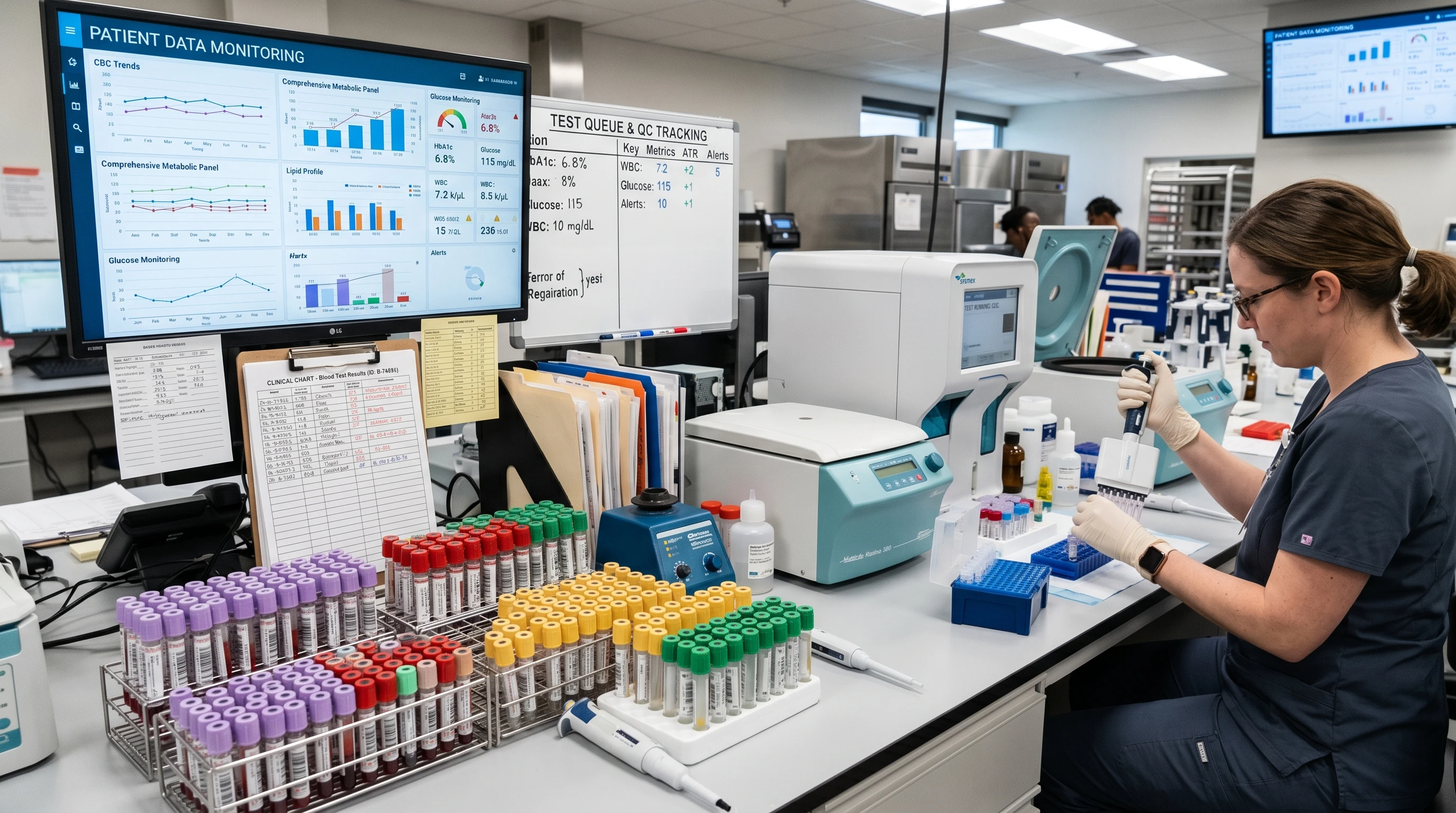
Before jumping into TRT, checking bloodwork is really important. Your doctor will check not only testosterone but also other hormones (like LH, FSH, and SHBG), blood counts, and usually prostate markers. Once you’re on therapy, regular labs help make sure you’re getting enough (not too much), check for side effects, and catch any changes early on.
If you want a practical checklist to bring to your next appointment, I recommend Blacksite’s TRT bloodwork guide. It covers what you should ask for and how to discuss results with your doctor, making those appointments much more effective. Knowing your numbers and what they mean is the best way to track your progress and catch any issues right away.
Practical Takeaways (and Blacksite’s Thought-Leadership Angle)
- TRT can help restore what’s truly low, but it’s not a shortcut for skipping the work. Training, sleep, diet, and discipline all still count.
- The honest benefits: better sex drive, improved mood and energy, stronger motivation, easier muscle gains, some help with fat distribution, and long-term bone health—but only for men with clinical hypogonadism.
- Regular monitoring, good doctor-patient communication, and realistic goals are how you get the upside with less risk. Watch out for clinics that sell confidence before explaining consequences.
Bottom line: TRT can restore a signal, but it will not build the man for you. It’s a tool, not the foundation.
Frequently Asked Questions
What are the main benefits of TRT?
In the right situation, TRT helps with sex drive, energy, mood, muscle mass, and bone density.
Does TRT increase energy?
Many guys with low testosterone report better energy and motivation once healthy levels are restored.
Does TRT improve libido?
TRT is well-known for helping men regain interest and satisfaction in their sex life, especially if low T was the cause.
Does TRT help build muscle?
TRT supports muscle growth and maintenance, but strength training and good nutrition are still needed for real progress.
Does TRT help with fat loss?
Testosterone helps switch body composition toward more muscle and less fat, but you’ll get the best results by pairing it with healthy habits.
Can TRT improve mood?
Many men feel less irritable, less anxious, and more optimistic when their testosterone levels return to normal.
Is TRT good for men over 40?
It can help if you have medically confirmed low testosterone, but starting without a proper diagnosis can add health risks.
How fast do TRT benefits appear?
Some changes (like energy or mood) might show up in a few weeks. Full effects, especially on muscle or bone, can take a few months or more.
What are the risks of TRT?
Risks include thickened blood, acne, breast tissue changes, sleep issues, and impacts on fertility and prostate health. Monitoring is super important.
What labs should be checked on TRT?
Total and free testosterone, CBC, estrogen levels, PSA, and other hormones at baseline and throughout therapy help keep things safe and effective.
No responses yet