Peptides and supplements for longevity have gone from underground biohacking circles to everyday gym talk in a matter of years. Lifespan used to be all about retirement, but now, anyone serious about fitness trains to live better, look sharper, and move stronger for decades. If you’re performance-driven or looking past your next birthday, it’s hard to ignore how closely longevity, training, and supplementation now overlap.
Why Longevity and Performance Have Become the Same Conversation
Back in the day, the fitness crowd wanted big lifts and bigger biceps. The anti-aging crowd cared about cognitive sharpness or living to 100. These days, most high-level athletes and everyday lifters see that looking after recovery, keeping inflammation low, and having bulletproof joints isn’t just about adding years; it’s about adding high-quality years. There’s data showing that muscle mass and grip strength are linked to health span, not just gym records. The switch up is real: train for muscle, recover better, and the odds are you’ll look, move, and feel younger longer than your parents ever did at your age.
What’s changed? For one, the strong science tying exercise and strength to longevity is everywhere. Also, the lines between bodybuilding, biohacking, and longevity are now totally blurred; everyone chases a performance edge and is quick to add the next research-backed supplement or peptide to their stack. If you’re building muscle with legal supplements, dialing in sleep hygiene, and managing bloodwork twice a year, you’re not just an athlete. You’re on a longevity protocol whether you call it that or not.
What Peptides Are
Peptides are short chains of amino acids (usually 2–50 long), kind of like the lite version of a protein. Your body makes loads of them to help with everything from healing wounds to releasing growth hormone. In the fitness world, you’ll hear about peptides for recovery, musclebuilding, fat loss, skin health, and even sleep. They’re hot topics for people optimizing both how they feel now and how they’ll feel at 50.
What’s especially interesting about peptides: they’re highly specific in how they signal things in your body. Unlike traditional meds or bigger proteins, peptides can target the exact system you’re after, often with fewer widespread effects. But they’re not magic bullets. While they sound like shortcuts, they should be approached with healthy skepticism, smart protocols, and, ideally, some solid medical backup.
Why Peptides Became Popular in Fitness and Longevity Circles
Peptides started making noise in athletic and bodybuilding forums because they promised to speed up recovery, support lean muscle, and even address stubborn injuries. Early adopters saw peptides like BPC-157 or GHK-Cu as possible gamechangers for getting back in the gym and staying there. Science caught up, and now researchers are looking at peptides in everything from wound repair to anti-aging skin regimens.
The draw is simple: if you can influence muscle, skin, metabolism, or even immune health without resorting to illegal substances, it’s super appealing. The problem? While the research is growing, plenty of peptides are still for “research use only.” More on that legal gray area a little later. For now, think of peptides as targeted, bioactive tools. Some have more promise and evidence than others, but the buzz is real for a reason.
Peptides vs. Dietary Supplements
Both peptides and supplements get tossed around in the same sentences, but they’re not the same thing. Supplements are usually nutrients (like vitamins, minerals, amino acids, protein powders, or herbal extracts), and you’ll find them on the shelf at every grocery or supplement store. They support basics like recovery, nutrition gaps, and, when smartly chosen, health markers for aging.
Peptides are different. Even when you see them promoted in the same spaces as protein and creatine, the way they work isn’t by fixing a nutrient gap; it’s by sending a signal in the body. For example, a muscle recovery supplement like whey protein feeds your muscles, but a peptide might help signal collagen production or the release of growth hormone. You can legally buy all sorts of supplements for recovery and longevity, but most peptides are research compounds, not dietary supplements under U.S. law.
The Biggest Mistake People Make with Longevity Supplements
The supplement market is pretty wild; shiny labels, giant claims, and new miracle ingredients every month. The biggest move people get totally wrong with anti-aging supplements or performance enhancing stacks is skipping the basics. No amount of hype will save you if your regular nutrition, sleep, movement, and stress washes are shot.
People often throw money at exotic compounds when they haven’t built a foundation. You need the boring stuff to be locked in; daily protein, resistance exercise, smart micronutrients, before getting into peptide therapy or advanced longevity stacks. Otherwise, you’re stacking your supplements on a shaky foundation. Even the most advanced “anti-aging” blend won’t give you the results that a clean habit overhaul can deliver.
The Foundation for Longevity and Performance
There’s no skipping the basics. If you’re not nailing sleep, diet, strength, and stress management, nothing you add later will stick. Here’s what the real pros still do better than everyone else:
- Consistent Resistance Training: Maintaining and building muscle is tied to longer lifespan and fewer health issues as you age. Movement variety is great, but muscle really matters.
- Adequate Protein Intake: Getting enough protein isn’t just for gym rats; older adults actually need more to hang onto lean mass. Research supports 1–1.2g per kg of bodyweight, though some choose more.
- Sleep Hygiene: Hormonal repair and muscle recovery can’t happen on four hours’ rest. Eight hours is the target. Supplements are a last resort here; address stress and screen habits first.
- Micronutrient Check-In: Even serious eaters miss out on magnesium, vitamin D, or omega3s. Deficiencies wreck performance and make “supplement hacks” pointless.
- Bloodwork and Biomarker Tracking: You can’t fix what you don’t measure. Keep tabs on your internal health every 6–12 months, especially if you’re stacking supplements or looking to test peptides.
This is the performance and longevity baseline. When it’s dialed in, the advanced stuff actually has a shot at working.
Legal Supplements That May Support Performance and Healthy Aging
When you want to boost performance or healthy aging, there’s plenty you can do legally and safely before thinking about peptides or research compounds. Here are some practical categories and examples that actually have legit backing:
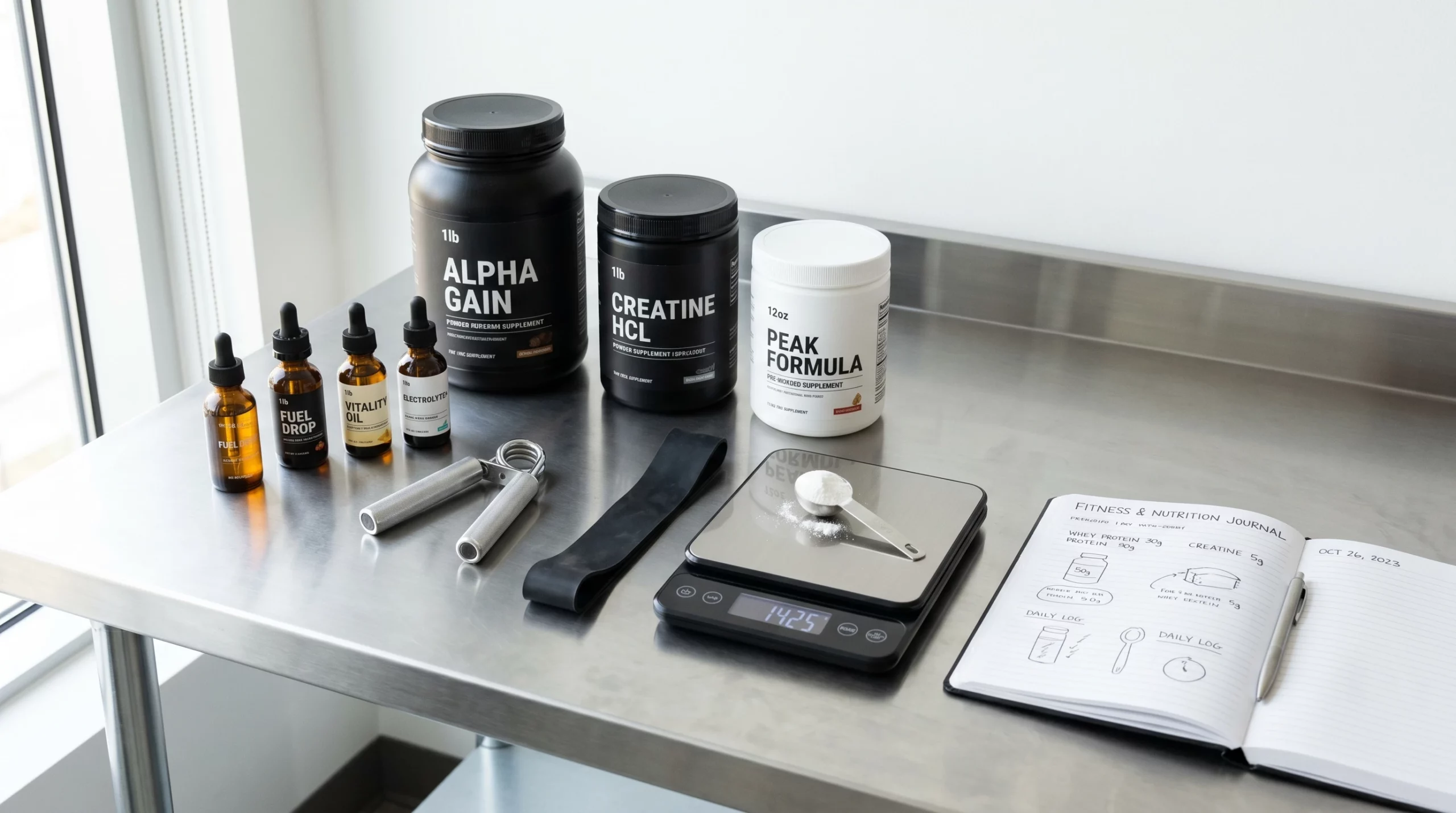
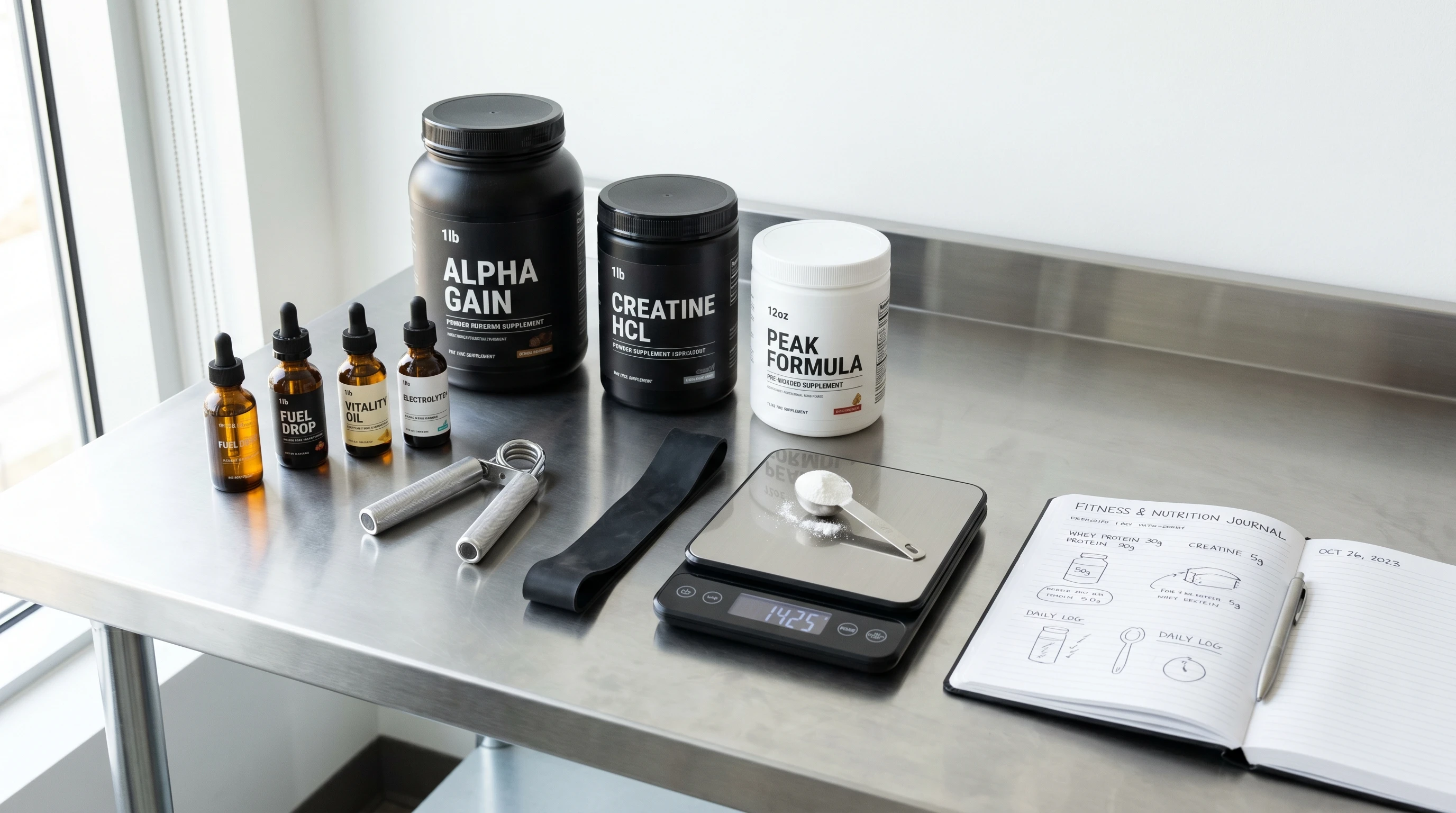
- Creatine: Not just for muscle, but for cognitive support and aging muscle, too. Arguably one of the most researched and safest bets for both performance and brain health.
- Protein Powder: Whey, casein, and plant protein blends help you hit macro targets. Super useful for muscle retention, especially as you age.
- Electrolytes: Rehydration with sodium, potassium, and magnesium helps recovery and performance, especially for active people or low-carb dieters.
- Magnesium: Often low in modern diets, and needed for sleep, muscle function, and metabolic health.
- Vitamin D: Linked to bone, mood, immune, and muscle health. Many folks have lower levels; testing is worth it.
- Omega3 Fish Oil: Solid evidence for cardiovascular, joint, and general inflammatory benefits. Plant sources are available for those who don’t do fish.
- Fiber Supplements: Most people don’t get enough fiber from food for gut, metabolic, or heart health. Fiber powders can bridge the gap when food isn’t cutting it.
These are legal, widely available, and pretty well researched as supplements for longevity and recovery. There’s nothing here that needs shaky back alley sources or mystery powders from unverified shops.
Recommended Tools and Supplements for a Safer Performance Foundation
Getting results long term isn’t just about what goes down the hatch. Having the right gear and tracking tools can lock your protocol in tight and help you see changes as they happen. Here’s what I recommend stocking at home if you’re in it for the long haul:
- Food Scale: Helps with meal prep, portion control, and keeping nutrition tight; underrated for serious progress.
- Blood Pressure Monitor: Super important for tracking how supplements, training, or new protocols affect your cardiovascular health.
- Smart Scale: Not just for weight, but for trend tracking and body composition if you get one that measures more than pounds.
- Meal Prep Containers: Takes the guesswork out of nutrition, especially for those training hard or meal timing for longevity.
- Fitness Tracker: Sleep, HRV, steps, stress—all in one place. There’s no need to geek out endlessly, but trendlines matter.
- Walking Pad or Treadmill: Walking is overlooked but really important for metabolic and cardiovascular health. Compact options can fit under your desk or in small spaces.
- Legal Lab Testing Services: Where available, these let you check blood markers (hormones, inflammation, micronutrients) without going through the traditional healthcare system every time.
People overthink the high-tech stuff, but these basics make protocols far safer and easier to follow for years. If you’re customizing any fitness, recovery, or longevity plan, these are truly practical buys.
Bloodwork as the Missing Piece
Bloodwork for fitness doesn’t sound eye-catching, but it’s the single most important tool when you’re taking supplements for recovery, looking into research peptides, or working with performance enhancement supplements. Seeing real numbers before and after a new protocol keeps you honest and lets you catch issues early—way before you’d feel symptoms.
Tracking blood sugar, cholesterol, hormone levels, vitamin D, kidney, and liver function is standard. Advanced users in the longevity scene also look at inflammation markers, thyroid, and insulin resistance. If you’re getting into supplements that target hormones, or you want to track muscle recovery supplements, baseline and follow-up labs are a no-brainer. You don’t get to guess about your health when it’s your life and longevity on the line.
Red Flags Before Using Any Peptide or Advanced Performance Product
This needs to be direct: experimenting with research peptides or advanced bodybuilding supplements means you’re working with compounds that might not have clear regulation or medical oversight. Here’s what should make you pause:
- Buying from sketchy, nontransparent websites with no third-party testing
- No clear product labeling or batch testing info
- Promises that a product will cure, prevent, or treat diseases
- Using peptides without any idea of your current bloodwork baseline
- Stacking too many unknowns at once (stacking research compounds with new supplements, for example)
- Avoiding legal supplements and trying to “shortcut” with exotic products
If something seems off or too good to be true, it usually is. Remember, careful research helps buyers make informed decisions and, when in doubt, go slow; ideally under medical guidance.
The Research-Use-Only Problem
A ton of the peptides you’ll see on forums or even in fitness clinics are marked “research use only” in the US. This means they’re not approved as dietary supplements for regular human use, and buying them for anything but research technically goes around federal guidelines. The same thing goes for certain anti-aging supplements and new “compounds” you’ll see hyped by influencers.
If a product is research only, understand the risks before considering anything. That includes zero dosing recommendations here, no guessing about therapeutic effects, and no naming vendors. Unregulated compounds can have surprise side effects, purity problems, or legal risks. The safe move is to talk to a licensed medical provider and stay on top of bloodwork if you’re testing new waters.
Can Supplements Replace Peptides?
A question I hear a lot: do anti-aging supplements or fitness supplements for men offer the same performance and longevity boosts as the trendy peptides? Here’s the truth—supplements can do a lot, but they’re different tools with different rules.
For many people, supplements like creatine, protein powder, vitamin D, and magnesium keep you performing and recovering at a level 90% of the population will never touch. You can get exceptional results with a smart stack and tight protocols. Some peptides mimic or accelerate processes in the body that are tough to match with nutrition alone, especially for recovery, skin, or joint health. However, for the general public or anyone without a rock-solid base, legal supplements do plenty, and it’s safer ground to work from.
The Blacksite Performance Approach
Blacksite Performance isn’t about getting on the next shiny trend or pushing unproven hype. My take is always: get educated, lock in your foundation, and use bloodwork and tracking as your guide. Peptide therapy and research peptides are topics worth knowing about, but they’re not a replacement for intelligent protocol, legal supplements for muscle growth, or the daily discipline that turns “anti-aging” into a lifestyle, not just an Instagram hashtag.
My mission is to teach, inform, and help others vet what they put into their protocols. That means prioritizing what’s safest, what’s legal, and what’s built to last decades; no miracle powder wanted or needed.
Affiliate Disclosure – My Legal and Practical Recommendations
I’m all about tools that help you build a strong, legal foundation for performance and longevity. To support the site, I use affiliate links for vetted supplements and fitness products. Here’s my short list of legal, practical products worth checking out:
- Creatine: My go-to for muscle, brain health, and recovery; find a clean, third-party tested monohydrate.
- Protein Powder: Pick high quality whey, casein, or plant blends.
- Electrolytes: For hydration support post-workout or daily energy.
- Magnesium: Glycinate or citrate forms for best absorption, super useful when training hard.
- Vitamin D: Always get tested; dose to keep blood levels in a healthy range.
- Omega3 Fish Oil: Third-party tested brands only, for joint and heart support.
- Fiber Supplements: Helpful if you’re not getting 25–35g from food.
- Food Scale and Meal Prep Containers: Basics for home protocols; keep nutrition on point and make consistency simple.
- Blood Pressure Monitor and Smart Scale: Track health data with easy-to-read metrics and trending features.
- Fitness Tracker and Walking Pad: For step tracking, sleep monitoring, and boosting daily movement (super important for metabolism and aging).
- Legal lab testing services: Options (where available) for tracking everything from vitamin D to hormone markers to inflammation; no black market or sketchy advice needed.
Thanks for using affiliate links or checking out the brands I work with. It supports more educational work and helps everyone stay on the right side of the law.
Final Thoughts
Peptides and supplements for longevity are only getting hotter as people care more about staying strong, lean, and sharp into old age. While there’s a lot of hype (and plenty of sketchiness) in the market, there are also practical tools and evidence-backed solutions that can make a big difference. Remember—the boring basics are what move the needle the most. Lock in foundation first, use tech and legal supplements smartly, and stay skeptical of anything promising shortcuts.
Grab the Blacksite Bloodwork Red Flag Checklist and keep tabs on everything under the hood. Sign up for Blacksite Intel to keep your edge and avoid the noisemakers. Performance and longevity are lifetime missions; be the one who does it right.
Frequently Asked Questions
Question: What are peptides, and are they legal to use?
Answer: Peptides are short chains of amino acids made naturally in your body, and some are produced synthetically for research. In the U.S., most peptides for performance are “research use only,” meaning they’re not approved as dietary supplements. Always check your country’s regulations and talk to a licensed medical provider before use.
Question: Which legal supplements support both performance enhancement and healthy aging?
Answer: There are several widely available supplements, like creatine, protein powder, magnesium, omega3 fish oil, and vitamin D, shown in research to support muscle, bone, brain, and heart health. Pair them with a solid protocol for best results.
Question: Do I need bloodwork if I just use basic fitness supplements?
Answer: Everyone benefits from routine bloodwork, especially if you’re training hard, feeling off, or adding new supplements. It’s the best way to spot problems early and stay dialed in as you age.
Question: Are peptides safe for muscle recovery and bodybuilding?
Answer: The safety and benefits of any peptide depend on the specific compound, dosing, frequency, purity, and source. Most are research-only, and risks aren’t the same as dietary supplements. Always get expert medical guidance and do your own due diligence.
Question: Can supplements replace peptides in a fitness or longevity stack?
Answer: Supplements cover a lot of ground for recovery, muscle growth, and healthy aging when your diet and training are on point. In some cases, peptides offer more targeted or potent effects, but for most people, legal supplements do plenty and are a lot less risky to start with.
Medical Disclaimer: This article is for informational purposes only. It does not offer medical advice, diagnose, treat, or make claims about supplements or peptides. Consult a licensed healthcare professional before starting any new supplement, peptide, or performance protocol.
Affiliate Disclosure: Some products or services linked above may provide financial support to Blacksite Performance. My recommendations are always based on personal experience and careful review, not sponsorship bias. Your support helps keep this site running and free of low-quality promotions.
No responses yet